SeaInsights
Specific objective: SO 7 - Enhancing protection and preservation of nature, biodiversity, and green infrastructure, including in urban areas, and reducing all forms of pollution
Typology: Standard project
Short description of the project: SeaInsights will achieve this by: (1) developing and implementing a joint pilot action to comprehensively assess marine biodiversity, including the detection of invasive species using environmental DNA (eDNA); (2) harmonizing and enhancing monitoring approaches and databases for bottlenose dolphins (Tursiops truncatus); (3) creating genetic markers for genotyping-bysequencing of bottlenose dolphins; (4) testing innovative tools for collecting eDNA samples for individual recognition of marine mammals through eDNA analysis; (5) conducting a coordinated pilot study on the cultural ecosystem services provided by marine and coastal ecosystems; (6) engaging relevant stakeholders to develop practical guidelines for future transboundary collaboration in marine mammals and marine biodiversity conservation and monitoring, an integral part of Northern Adriatic management; and (7) raising awareness and promoting sustainable practices in line with the local communities' values. The Northern Adriatic's unique biogeographical characteristics and extensive human activity make it highly vulnerable to various environmental and ecological challenges, underscoring the importance of transboundary collaboration in addressing these issues. SeaInsights brings together researchers, experts, and conservationists from both countries to offer comprehensive solutions to specific challenges and ensure the direct transfer of knowledge from academia to practical implementation. SeaInsights' solutions are also transferable and enduring, contributing to the goals of the EU's Biodiversity Strategy for 2030 as an integral part of the European Green Deal.
The purpose of SeaInsights is to enhance the capacity for conserving the delicate biodiversity of the Northern Adriatic, a region known for its rich and diverse ecosystem that faces threats from climate change, overexploitation, and pollution.
Assessment of Northern Adriatic Biodiversity Using eDNA Analysis
As part of this important activity, the project partners assessed the diversity and taxonomic composition of marine fauna in the Northern Adriatic through eDNA analysis of seawater and provided essential data for developing guidelines on the use of eDNA in marine biodiversity monitoring. Throughout this process, our project team produced several technical and working reports that enabled coordinated cross‑border collaboration and contributed to the final outcome.
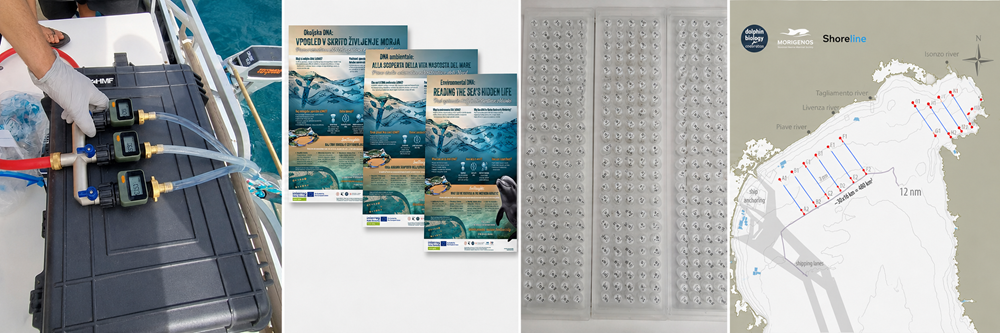
- Seawater eDNA sampling and filtration protocol
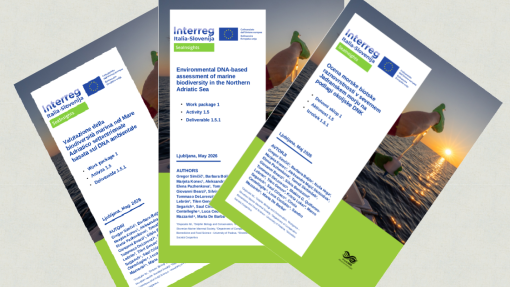
- Environmental DNA-based assessment of marine biodiversity in the Northern Adriatic Sea
Watch the event in Italian
Watch the event in Slovenian
You can find the event report here: eDNA as a tool for monitoring marine biodiversity: Online events with decision-makers, managers and other stakeholders
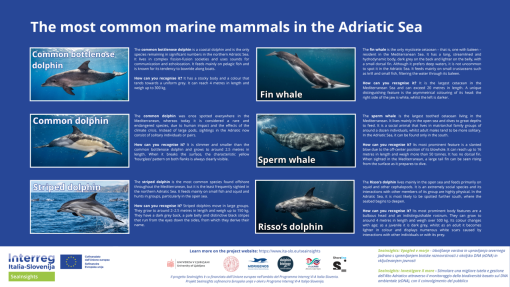
Download the posters:
Assessment of the Conservation and Health Status of Dolphins in the Northern Adriatic
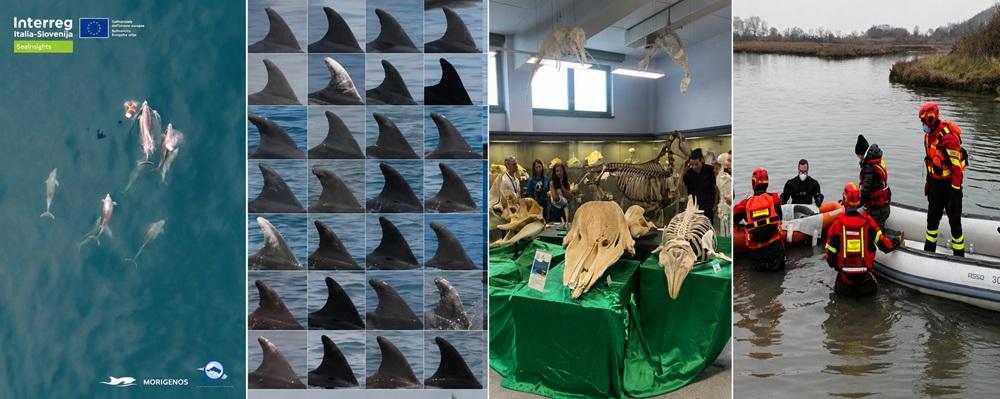
Project partners combined existing knowledge from both countries and enhanced it with a new cross‑border assessment of the dolphin population. This enabled the comparison and consolidation of data and the development of joint guidelines for long‑term, coordinated monitoring of dolphins across the entire project area.
The activity resulted in a comprehensive set of key studies, technical reports, and protocols that form the basis for future management and conservation of the dolphin population in the Northern Adriatic.
Demographic and spatial aspects of the population
- Report on estimates of abundance and other demographic parameters
- Report on the movements, habitat use and connectivity of the bottlenose dolphin population in the Northern Adriatic
eDNA – comparison of data and development of joint methods
To compare eDNA sampling results with existing information and to develop a joint protocol for studying the distribution and habitat preferences of dolphins and other marine megafauna, the following documents were produced:
- Matching novel information from dolphin eDNA with the available insight into their spatial distribution
- Protocol for modelling species distribution
- Matching novel information from dolphin eDNA with the available insight into their spatial distribution: additional recommendations for management
Health status of marine mammals
For the preparation of a joint protocol for determining health indices of marine mammals, the following documents were developed:
- Report on stranded Marine Mammals
- Joint protocol to derive mortality and health indices of marine mammals through pathological surveys
Use of drones in assessing dolphin health
An innovative study of the health status of the Northern Adriatic dolphin population was carried out using drones, resulting in:
Development and testing of innovative tools for eDNA sampling and individual genotyping
Within the project, we developed an innovative approach for identifying marine mammals at the individual level, using dolphins as a model species. This approach contributes to a better understanding of the Northern Adriatic dolphin population and supports the development of new methods for conserving marine apex predators.
The activities included the development and testing of new tools, methods, and protocols that enable advanced eDNA analyses and individual genotyping.
The following key documents were produced:
Development and testing of an innovative tool for collecting eDNA samples
- Individual eDNA: sampling device and instructions for use, sampling protocol, and performance report
Development of markers for genotyping
DNA analysis from blow samples collected with drones
Cultural ecosystem services of key marine species and coastal/marine ecosystems
Within the project, we documented and evaluated the cultural ecosystem services that people associate with key marine species and coastal/marine ecosystems. Based on discussions with stakeholders in both countries, we prepared an overview of values, perceptions, and local specificities characteristic of the entire project area. In addition, an ethical matrix was developed to illustrate moral requirements, interests, and potential conflicts among different stakeholder groups involved in the conservation of marine species and habitats.
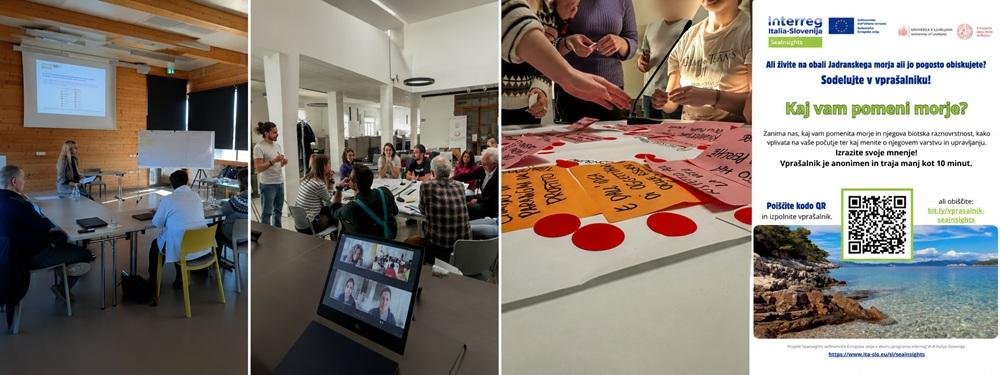
The following documents were prepared as part of this activity:
This report brings together the results of stakeholder discussions in each country and highlights local specificities, shared values, and synergies across the project area.
The ethical matrix provides an overview of moral requirements and interests related to the conservation of key marine species and habitats and identifies potential conflicts among stakeholders.
Plakat o koristih obalnih in morskih ekosistemov
A poster has been prepared visualizing the benefits that coastal and marine ecosystems and key marine species bring to local communities. Download the posters:
Science and stakeholder engagement for the conservation and management of the Northern Adriatic
Within the project, we developed joint cross‑border guidelines for conserving and managing biodiversity in the Northern Adriatic. The process was based on active stakeholder involvement and a participatory approach, enabling the alignment of scientific knowledge with local needs and management practices.

The following key documents were prepared:
This document brings together partner experience and stakeholder input and defines best practices for biodiversity monitoring using eDNA in the Northern Adriatic.
The document summarizes partner and stakeholder requirements and outlines best practices for cross‑border monitoring of marine mammals. It also includes proposals for cross‑border cooperation through active citizenship, such as citizen‑science initiatives.
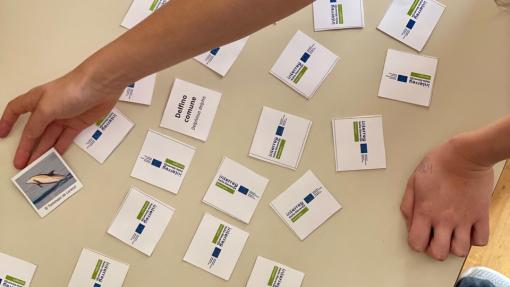
A toolkit designed for education in nature conservation, biodiversity protection, and monitoring techniques, with a focus on eDNA. It includes modules on biodiversity learning, attitudes toward nature, and biodiversity conservation.
A toolkit for the general public aimed at promoting nature conservation, understanding the value of biodiversity and ecosystem services, and encouraging citizen participation in marine‑mammal research through citizen science.