BEE2GETHER
Specific objective: SO 7 - Enhancing protection and preservation of nature, biodiversity, and green infrastructure, including in urban areas, and reducing all forms of pollution
Typology: Capitalization project
BEE2GETHER capitalized on key outputs of the ITA-SLO 14-20 BEE-DIVERSITY project in order to strengthen them, make them known to a wider audience, and disseminate them over a broader area. Building on past experiences, the project further developed an innovative management model based on bee monitoring, through which the most suitable and environmentally, economically, and socially sustainable agricultural cultivation techniques were identified. Through the collection of timely data on bee health and on the possible presence of heavy metals and other pollutants in pollen, the project partners provided a characterization of the target area, identifying potential existing problems and, consequently, defining management strategies aimed at limiting or reducing threats to biodiversity conservation. This management model was based on the use of electronic beehives and an ICT system (APP).
The main output of the project was the cross-border action plan for sustainable agriculture, which was incorporated into regional and national policies.
The project developed an innovative management model based on bee monitoring, through which the most suitable and environmentally, economically, and socially sustainable agricultural cultivation techniques were identified.
Through the collection of timely data on bee health and on the possible presence of heavy metals and other pollutants in pollen, the project partners provided a characterization of the target area, identifying potential existing problems and, consequently, defining management strategies aimed at limiting or reducing threats to biodiversity conservation.
This management model was based on the use of electronic beehives and an ICT system (APP). These two innovative tools were used by beekeepers not only to optimize and standardize apiary management, but also—more importantly—to enable the widespread collection of valuable data through the hives, which, via the APP, were managed and shared across borders to support the definition of large-scale sustainable environmental management models.
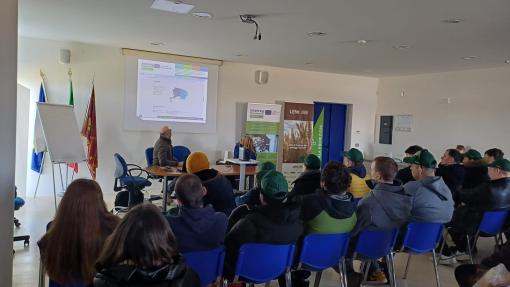
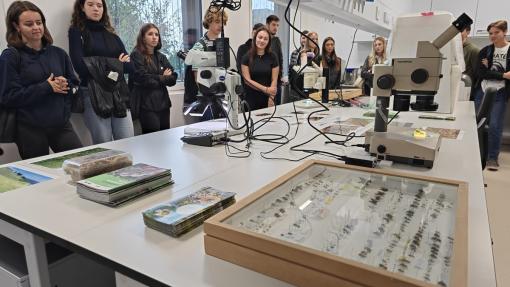
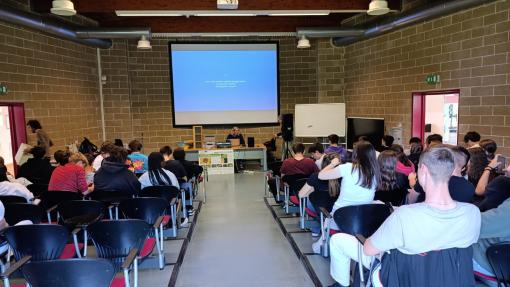
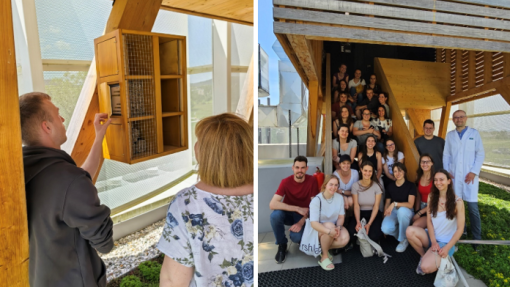
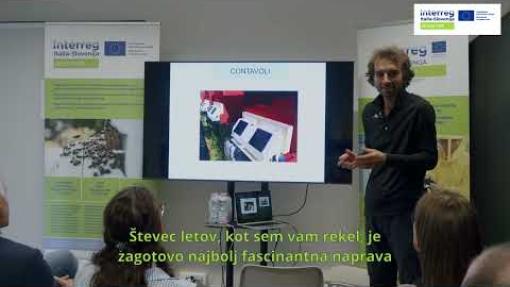
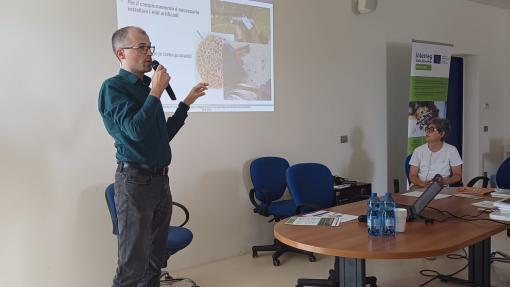
The project organized, in Italy and Slovenia as well as through joint cross-border initiatives, cycles of seminars addressed to practitioners focusing on innovation in beekeeping, best practices, and biodiversity. In addition, activities were carried out with educational institutions through engagement actions based on the installation of educational apiaries and wild apoid houses.
BEE2GETHER capitalized on key outputs of the ITA-SLO 14-20 BEE-DIVERSITY project in order to strengthen them, make them known to a wider audience, and disseminate them over a broader area.
Bee2gether – the web app for intelligent hive monitoring
The Bee2gether web app is an advanced digital platform developed to support the monitoring of bee health and the sustainable management of apiaries through the use of innovative technologies.
Accessible directly online with no installation required:
CLICK HERE TO ACCESS THE APP
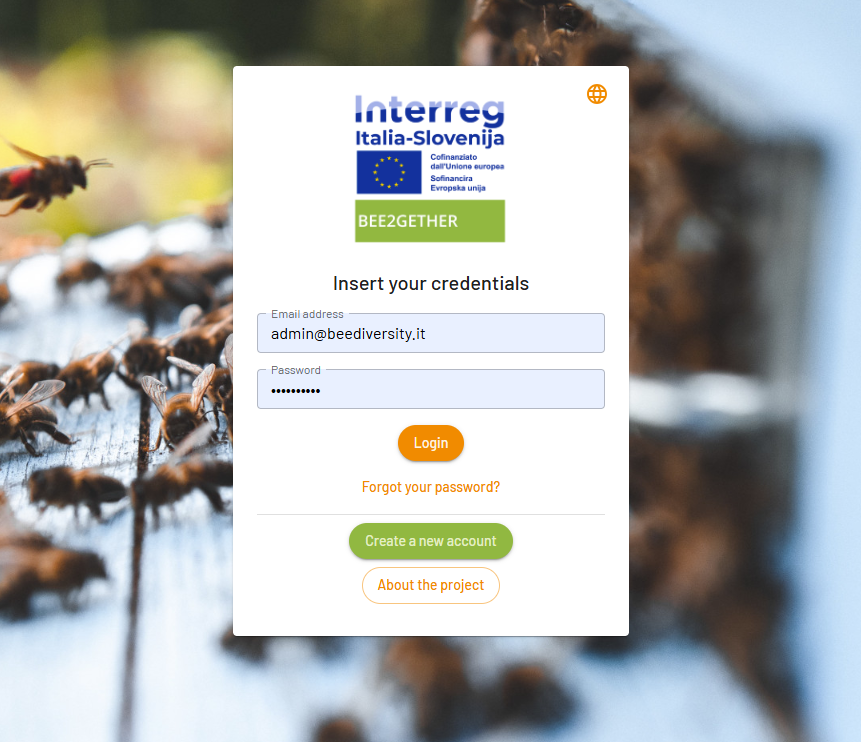
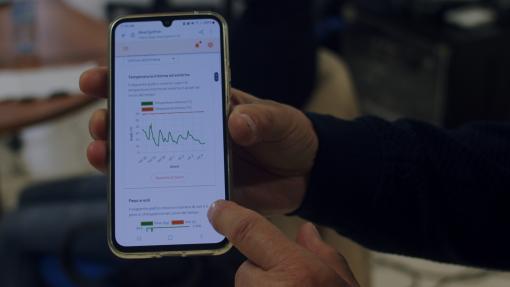
The platform allows users to collect, visualize, and analyze in real time the data gathered from sensors installed in beehives, turning them into true smart devices for environmental monitoring. The data, continuously transmitted through digital interfaces, enable the tracking of key parameters related to the health of bees and ecosystems, providing a scientific basis for improving beekeeping and agricultural practices.
Bee2gether represents a significant evolution compared to the previous BEE-DIVERSITY system, introducing important technological upgrades and a more intuitive and efficient user experience. The platform is designed for both beekeepers, who can directly manage their hives and optimize their activities, and guest users interested in exploring the data and understanding environmental dynamics. After a simple registration process using email and password, and verification via a link received by email, access is validated by a territorial administrator who enables functionalities based on the user profile.
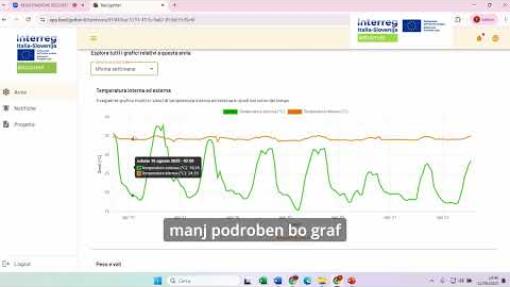
One of the most relevant features of the web app is its ability to aggregate and interpret large amounts of data, presenting them through clear and easy-to-read graphs, supported by an updated technological infrastructure that ensures high performance and scalability. This enables not only precise apiary management but also the use of data on a broader scale, contributing to the development of sustainable environmental management models at both territorial and cross-border levels. Bees, in fact, become natural indicators of environmental quality, helping to detect potential issues such as pollution or climate changes.
The platform also includes an information section dedicated to the project and multimedia content, where users can access an explanatory video tutorial. The video is available directly within the web app through the “Project Information” button on the homepage, which links to further materials and official resources.
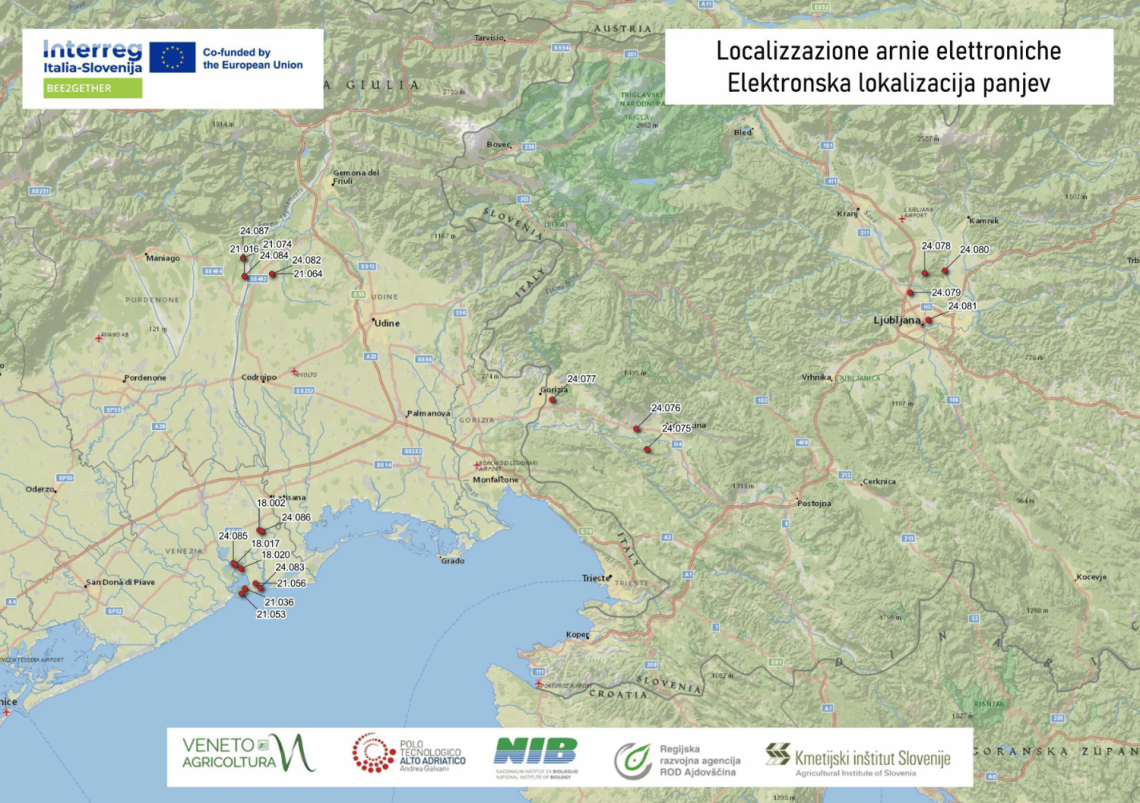
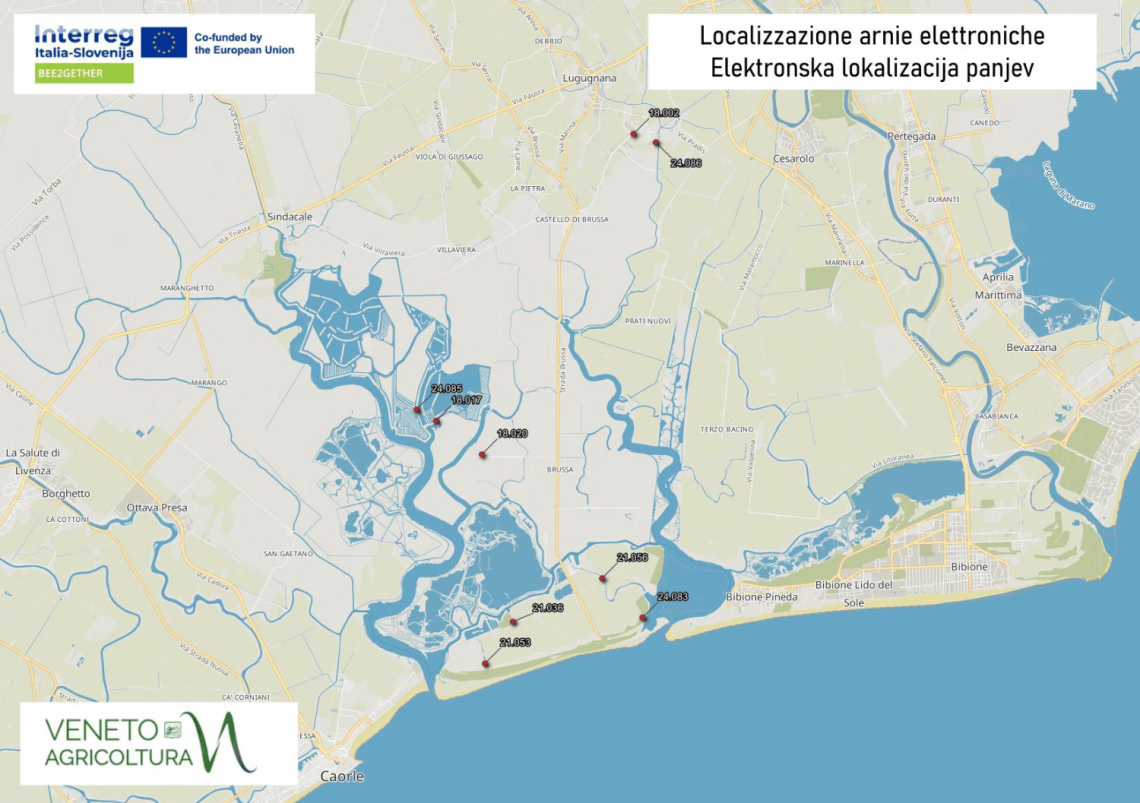
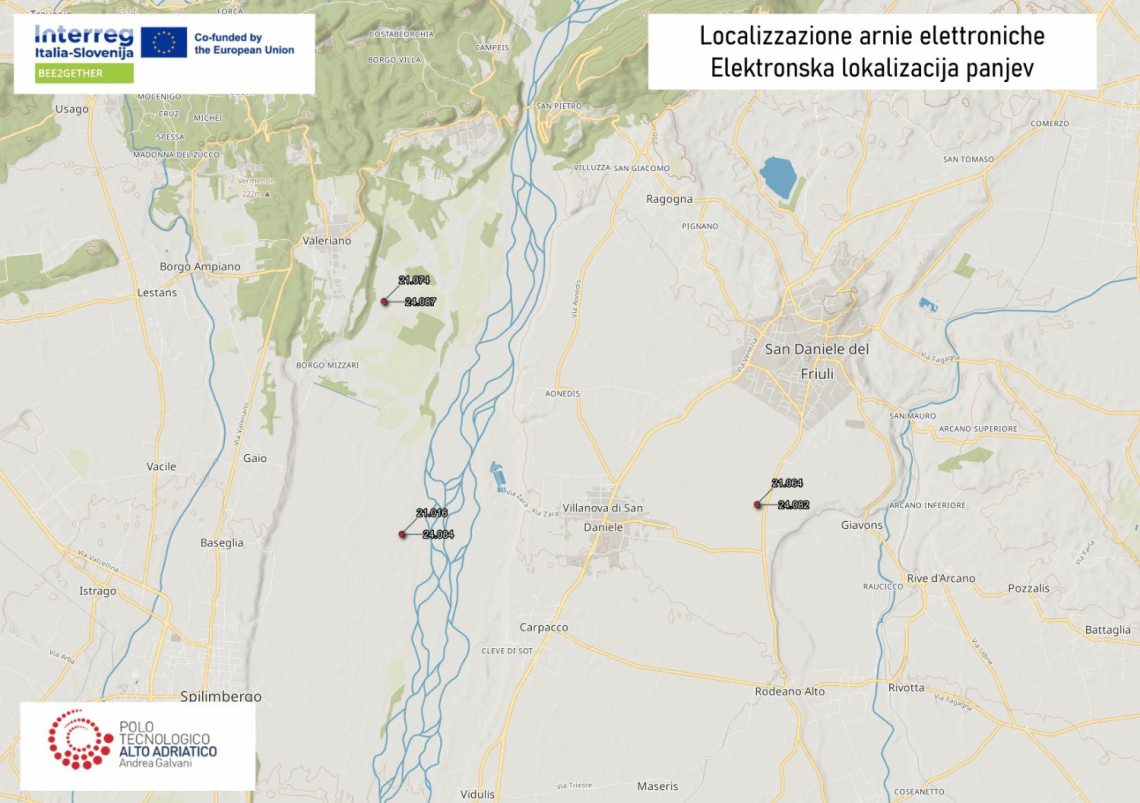
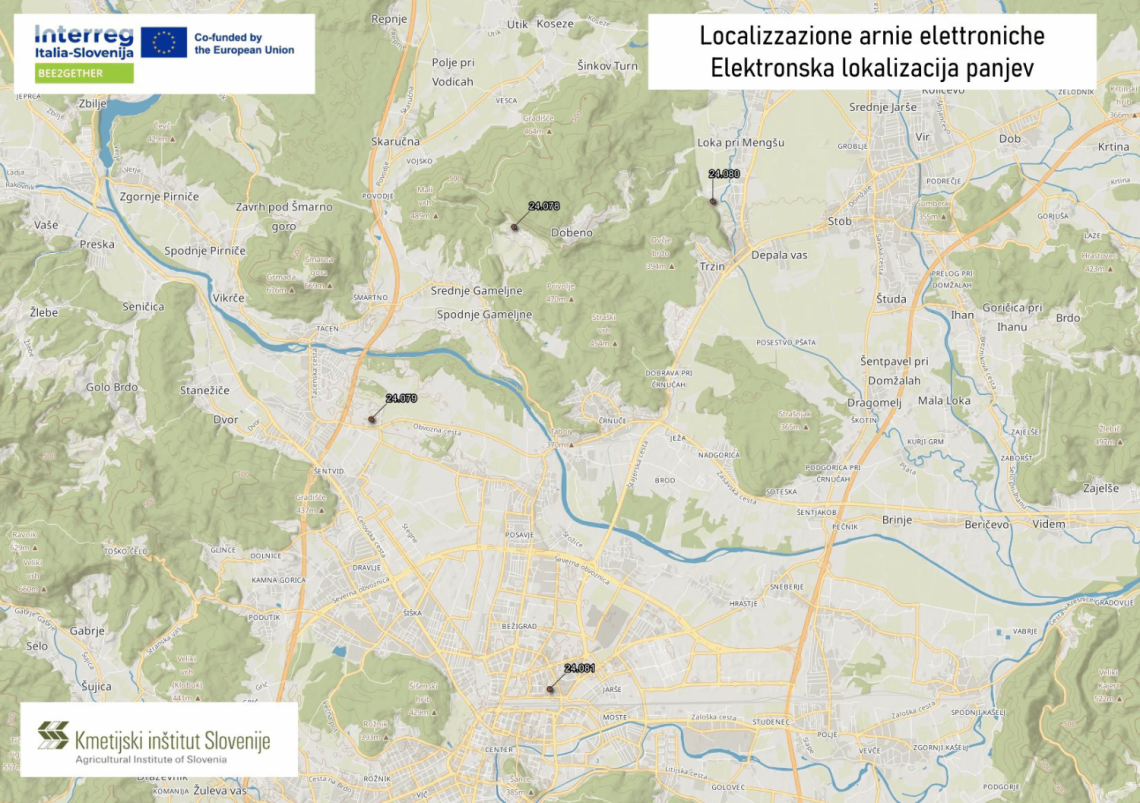
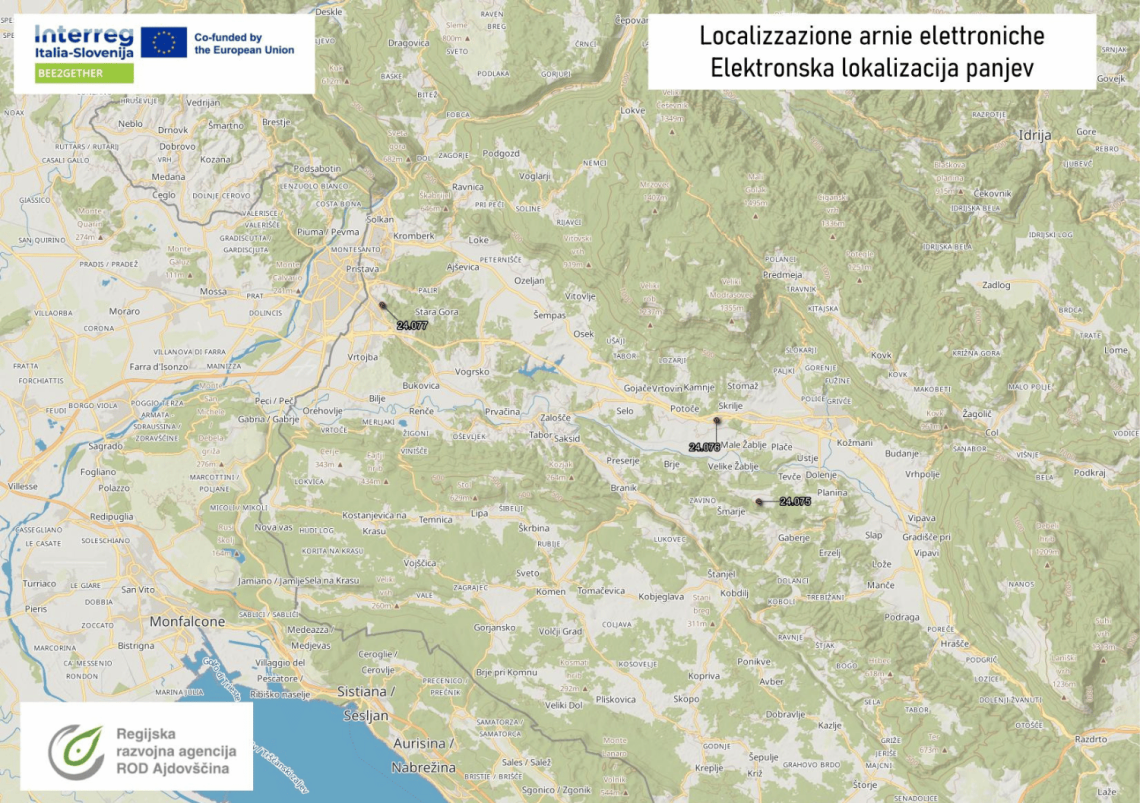
Map of electronic hive locations
Image
| |
Image
| Image
|
Image
| Image
|
Special beekeeping bulletins
Within the project, a total of three special beekeeping bulletins have been published, one in 2024 and two in 2025. These are designed as both informative and operational tools to support beekeepers, technicians, and stakeholders in understanding the factors that influence bee health and environmental quality.
The first bulletin, published in 2024, introduces the project’s work and explores the role of bees as environmental bioindicators, explaining how hive monitoring and data analysis can help identify the presence of pollutants and assess ecosystem health. The approach is accessible while maintaining a solid scientific foundation, aiming to build shared knowledge.
READ THE FIRST BEEKEEPING BULLETIN 2024
The two bulletins published in 2025 go deeper into operational and seasonal aspects, addressing topics such as climate trends, hive productivity, and the main challenges affecting bee colonies. They also focus on the interpretation of data collected from smart hives, showing how this information can be translated into practical guidance for apiary management and biodiversity protection.
READ BEEKEEPING BULLETIN 1/2025
READ BEEKEEPING BULLETIN 2/2025
The wonderful world of bees
“The Wonderful World of Bees” is an educational kit developed within the project with the aim of bringing the public—especially students and schools—closer to the topic of bees, biodiversity, and environmental sustainability in a simple, engaging, and scientifically sound way.
It is an educational tool designed for dissemination purposes, collecting teaching materials and informative content that help explain the fundamental role of bees in ecosystems and agricultural production. Through accessible language and visual supports, the kit guides users in discovering the life of bees, their social organization, the dynamics of the hive, and their essential contribution to pollination and biodiversity conservation.
The value of the kit also lies in its practical and interactive approach: it does not simply provide theoretical knowledge, but stimulates curiosity and active participation, making environmental topics more tangible and understandable. In this way, it becomes a useful tool for classroom activities, educational workshops, and awareness initiatives aimed at the wider community.
DOWNLOAD “THE WONDERFUL WORLD OF BEES” – PRIMARY SCHOOL (ITA)
DOWNLOAD “THE WONDERFUL WORLD OF BEES” – LOWER SECONDARY SCHOOL (ITA)
DOWNLOAD “THE WONDERFUL WORLD OF BEES” – UPPER SECONDARY SCHOOL (ITA)