GRENNAT
Specific objective: SO 7 - Enhancing protection and preservation of nature, biodiversity, and green infrastructure, including in urban areas, and reducing all forms of pollution
Typology: Capitalization project
The GRENNAT project was implemented within the framework of the Interreg VI-A Italy–Slovenia Programme 2021–2027 with the aim of building on the results of the previous GREVISLIN project and strengthening cross-border cooperation in the fields of nature conservation, green infrastructure development, and the sustainable management of Natura 2000 sites. The project brought together three partners from Slovenia and three from Italy to jointly develop solutions for biodiversity conservation, improving the conservation status of habitats and species, and promoting sustainable development along cross-border rivers.
Throughout the project implementation, the partners developed technical and scientific foundations, prepared project solutions, and carried out pilot actions that contributed to improved management of the natural environment and increased resilience of the area to climate change and development-related challenges. Particular emphasis was placed on integrating nature conservation with the responsible use of protected areas, enhancing the monitoring of aquatic ecosystems, and developing green infrastructure as a key element of a high-quality living environment.
The project also made a significant contribution to strengthening cooperation among expert institutions, local communities, and other stakeholders on both sides of the border, while facilitating the exchange of knowledge, experience, and good practices. In doing so, it established a solid foundation for continued joint planning, more effective management of natural resources, and the long-term preservation of the natural heritage of the cross-border area.
- The main objective of the GRENNAT project was to further develop the long-term cross-border green infrastructure development plan and, through the implementation of concrete pilot actions, improve nature conservation and strengthen the sustainable development of Natura 2000 sites. The project followed European policy objectives for biodiversity conservation and promoted solutions that integrate environmental protection, climate change adaptation, and sustainable spatial management.
The project partners worked to develop technical and scientific foundations as well as strategic guidelines for improving the management of watercourses, floodplain areas, and other sites of high nature conservation value. At the same time, the project aimed to develop and test pilot green infrastructure solutions, enhance the monitoring of water bodies and habitats, and strengthen the protection of threatened animal species.
- Another key objective of the project was to improve the management of Natura 2000 sites by preparing a joint cross-border action plan, developing new interpretation materials, and establishing information points to raise visitors' awareness of the importance of preserving natural heritage. The project also placed particular emphasis on public awareness-raising, the transfer of project results into practice, and the replication of the developed solutions in other areas of the Programme.
The GRENNAT project has generated significant and lasting impacts across the cross-border area of Slovenia and Italy in the fields of nature conservation, green infrastructure development, water management, and raising awareness of the importance of Natura 2000 sites. The project's results represent a substantial advancement of existing approaches and make a tangible contribution to more sustainable spatial management.
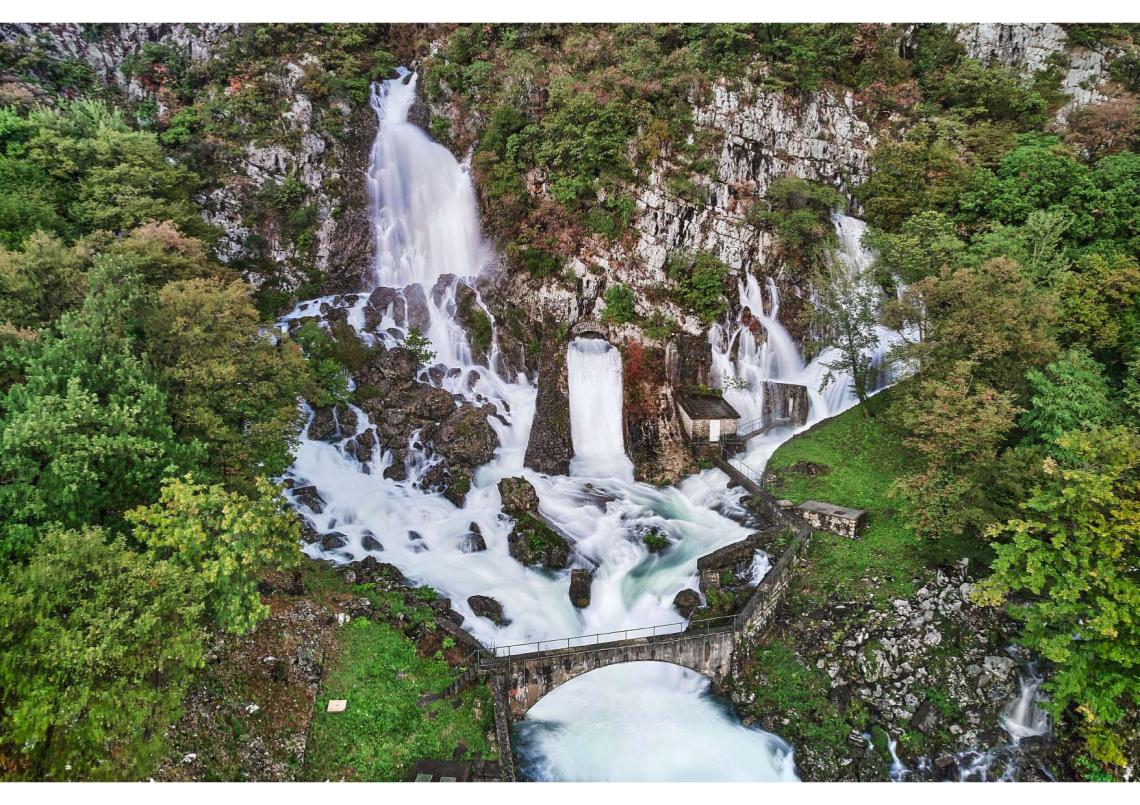
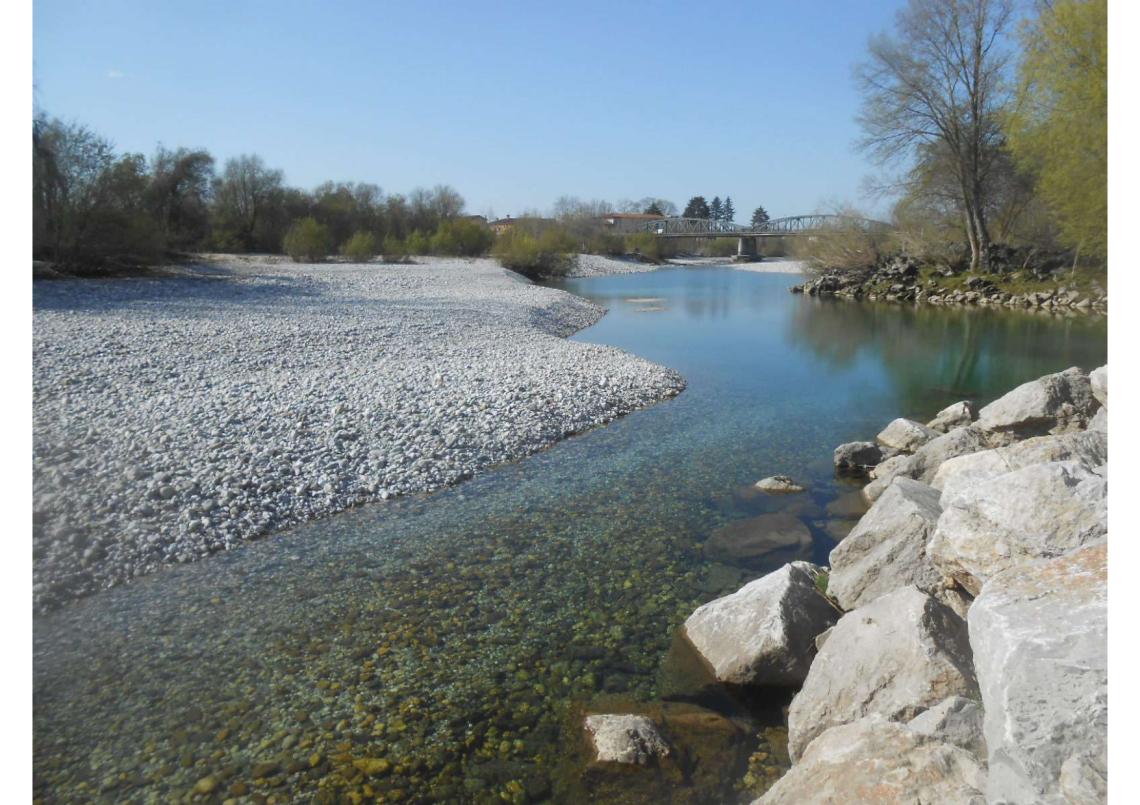
In the field of green infrastructure development, technical and scientific foundations and project solutions were prepared for the restoration of the Hubelj River floodplain and the rehabilitation of the confluence of the Hubelj and Lokavšček streams. Project documentation was also developed for the construction of a pedestrian bridge across the Hubelj River and for providing sustainable access to the natural heritage site along the Lijak stream. In parallel, solutions were designed for the enhancement of urban open green spaces adjacent to the Health Centre in Nova Gorica, while a student workshop generated numerous ideas for greening and the sustainable revitalisation of the area along the Soča River.
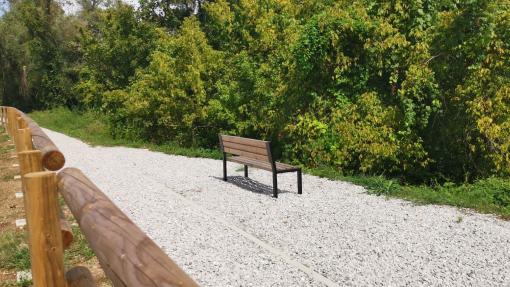
As an important part of the pilot actions aimed at bringing nature closer to the public, educational and nature interpretation trails were established and upgraded in Bilje (Glinokop), along the Hubelj River in Ajdovščina, and in the cross-border area of Cavana di Monfalcone. These trails provide visitors with educational and experiential opportunities to better understand the importance of nature conservation, biodiversity, and sustainable spatial management. Another significant professional contribution of the project is the arboricultural study Ajdovščina, which provides a sound basis for the professional and sustainable management of urban tree infrastructure.
The GRENNAT project significantly strengthened the management of Natura 2000 sites and the development of pilot solutions for their conservation. As part of the project, a Natura 2000 Conference was organised to facilitate knowledge exchange, present good practices, and strengthen cooperation between expert institutions and site managers across the cross-border area. The event provided the basis for the preparation of a joint cross-border action plan for the management of Natura 2000 sites, which can serve as a tool for the long-term coordination of nature conservation measures. To support the sustainable management of water resources, an irrigation management application was also developed, enabling more efficient water use in agriculture and improved adaptation to environmental change.
Particular attention was devoted to monitoring water status and improving the understanding of aquatic ecosystems. A water level monitoring station was installed on the Soča River, while the fish pass at the barrier structure in Sagrado was upgraded through the installation of elements that facilitate the migration of threatened species, particularly the European eel. Fish fauna monitoring was also carried out, and the findings were compiled in a final technical report. Across the wider Natura 2000 area, a network of monitoring stations for surface water and groundwater was established, enabling the long-term monitoring of hydrological conditions, including analyses of saline intrusion and water resource dynamics. Based on the collected data, periodic technical reports were also prepared to support future management and the dissemination of information to relevant stakeholders.
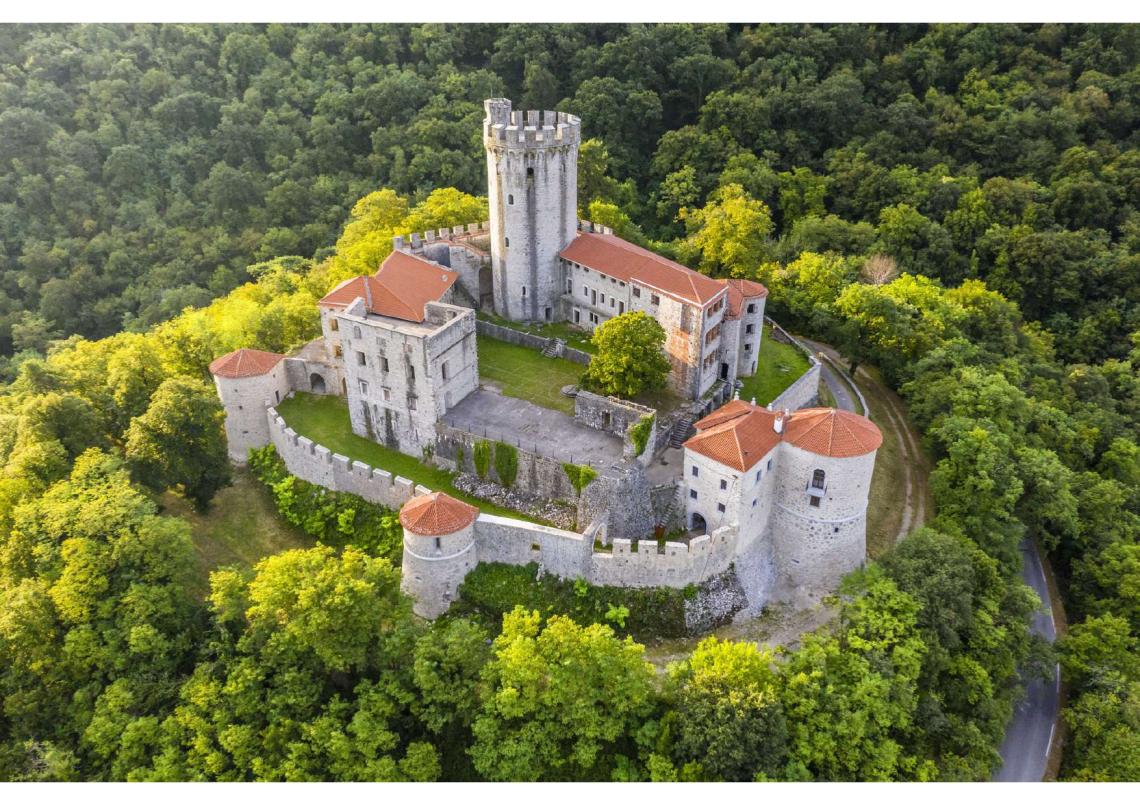
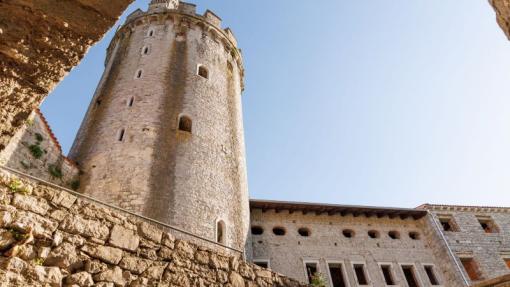
The project also made an important contribution to improving habitat conditions and protecting species. At Rihemberk Castle, construction, conservation, and restoration works were carried out to improve habitat conditions for bats. These interventions also enhanced the existing Natura 2000 interpretation point, helping visitors better understand the importance of nature conservation in the area. In addition, new interpretation and multimedia points were established across the wider cross-border area—in Marina Julia and Sagrado—to present the project's results and the natural features of Natura 2000 sites in a modern and accessible way.
The project made a significant contribution to raising public awareness and strengthening cross-border cooperation. An informational brochure was produced on natural habitats, the importance of nature conservation, and the relationship between agriculture and the preservation of the natural environment. Press releases were prepared, a press conference was organised, and a final project event was held as the key occasion for presenting the project's results. In addition, the project's activities and achievements were presented to the wider public at the "Vipava Day" event, further increasing the visibility of the project and its objectives, particularly among young people. Throughout the project, the partners also carried out regular communication activities, published news updates, and promoted project results, thereby increasing awareness of the Natura 2000 network and the importance of the sustainable management of natural areas.
Through an integrated approach combining green infrastructure planning, pilot investments, the monitoring of water and natural systems, and the active involvement of the public, the GRENNAT project made a significant contribution to the long-term sustainable transformation of the cross-border area. Its results provide a solid foundation for the future management of Natura 2000 sites, the improvement of the condition of natural ecosystems, and the development of new joint initiatives between Slovenia and Italy.