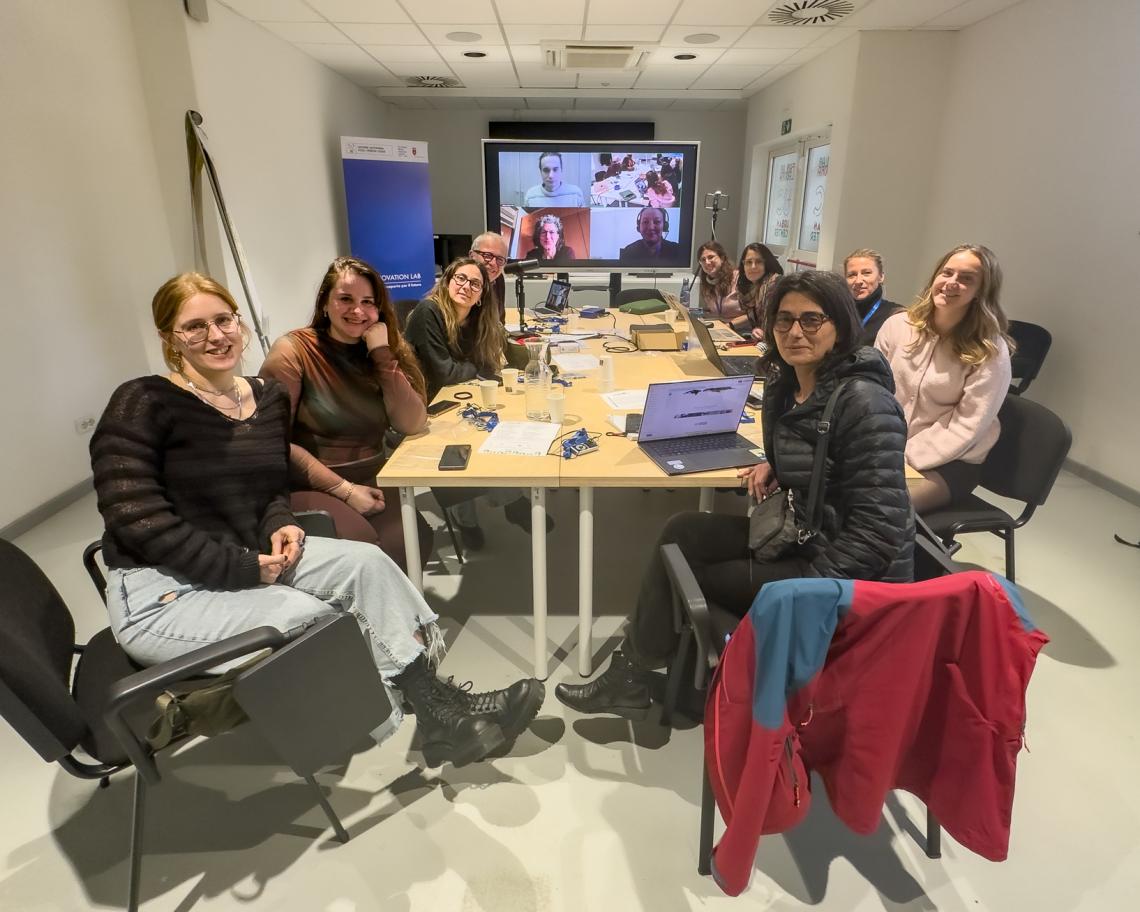
On Thursday, 26 March, Shoreline organized the second Multistakeholder Forum for the Interreg Italy-Slovenia project #SeaInsights – Investigating the Sea. The project partners presented the first draft of the two planned cross-border guidelines, outlining the content of the various chapters and the preliminary findings gathered during the first forum.
Researchers from the University of Trieste, the National Institute of Oceanography and Experimental Geophysics (OGS), the Slovenian Institute for Nature Conservation (ZRSVN), as well as professionals from the Miramare Marine Protected Area and the Zavod YouSea, took part in this second forum, either in person in Trieste or remotely. The exchange with experts from different backgrounds allowed us to integrate complementary and sometimes conflicting viewpoints, offering a comprehensive overview of the challenges and opportunities of doing research in cross-border environments.
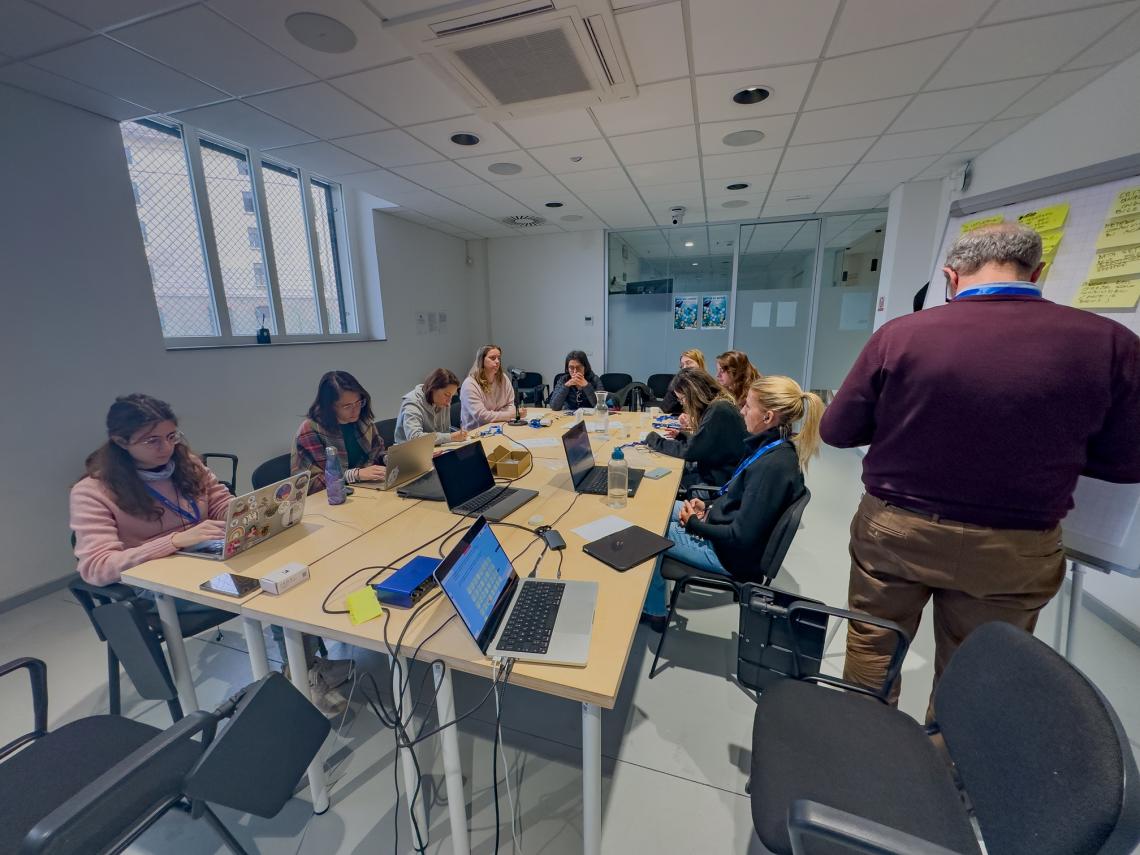
The event was divided into two sessions: in the morning, we focused on the guidelines for monitoring cetaceans and other species in the Northern Adriatic Sea, whilst in the afternoon we examined the document dedicated to the analysis of marine biodiversity through environmental DNA sampling. Following a presentation of the materials produced by the project, we opened the discussion.
Through targeted questions, we explored certain aspects that emerged during the first forum, such as the best way to share data between research groups from different countries. We discussed whether it is more useful to collect new field data, or to involve local and national authorities more closely, as well as to disseminate best practices among researchers from other countries.
Furthermore, we presented the two different toolkits developed as part of the project, one for schools and one for the general public. The aim is to communicate the project’s results in an accessible way, to raise awareness of the conservation status of the main species in the Northern Adriatic Sea and what we can do to protect them.
Thanks to the experience of the researchers present, we highlighted the strong interest among the public – particularly those living in Trieste – in marine issues, suggesting greater participation in public events such as Trieste NEXT or Barcolana.
Over the coming weeks, the Shoreline team will be analyzing the results gathered and finalizing both the guidelines and the toolkits ahead of the closing event scheduled for May.