IRRIGAVIT
Specific objective: SO4 – Promoting climate change adaptation and disaster risk prevention, resilience, taking into account eco-system-based approaches
Typology: capitalisation project
Viticulture is one of the most important economic and cultural sectors in the cross-border area between Italy and Slovenia. In recent years, however, climate change has been placing vineyards under increasing pressure: hotter and drier summers, milder winters and extreme weather events are reducing water availability and increasing the risk of water stress. In this context, irrigation can no longer be considered merely an emergency response. What is needed is more careful and planned water management, capable of reducing waste, protecting grape quality, maintaining vineyard productivity and safeguarding natural resources, in line with the European Green Deal and the European Union’s climate change adaptation strategies. In the cross-border wine-growing area, irrigation has historically been used only to a limited extent, both because of the scarce availability of water resources and for reasons linked to winemaking tradition. Today, however, Italian and Slovenian regulations recognise emergency irrigation as a necessary practice, to be considered also within production specifications. This evolution makes it even more urgent to develop new water and soil management models capable of increasing vineyard resilience and guiding the wine sector towards a more sustainable future.
To respond to this challenge, IRRIGAVIT brought together scientific expertise, vineyard experimentation and digital tools, with the aim of offering practical solutions that are easy to understand even for those who do not work directly in research.
Building on the results of the ACQUAVITIS project, IRRIGAVIT developed concrete solutions to make cross-border viticulture more resilient and sustainable. The project objectives outline nine stages in the pathway followed: from vineyard experimentation to data collection and interpretation, through to the creation of practical tools for winegrowers, technicians and institutions, and the continuity of the project results:
Strengthen the resilience of cross-border viticulture in the face of drought, water stress and climate change, and capitalise on the results of ACQUAVITIS by extending the strategies already developed in the Karst, Friuli (Collio and the lower Friuli plain) and Vipava Valley areas to new wine-growing areas such as the Colli Orientali del Friuli, Brda and the terraced areas of the Vipava Valley.
Test irrigation and soil-management practices in pilot and demonstration vineyards, using shared irrigation, monitoring and agronomic management protocols.
Integrate field data and turn research into useful digital tools to support more precise and timely irrigation decisions.
Promote sustainable water and soil management in vineyards, reducing waste and improving irrigation efficiency through the study of water dynamics.
Assess the effects of irrigation strategies on grape and wine quality, ensuring sustainability without compromising production value.
Turn research into useful tools for the territory, such as guidelines, technical reports, dissemination materials and a digital platform.
Strengthen cross-border cooperation among research bodies, businesses, technicians and institutions, fostering a common approach to water-resource management in the cross-border area.
Support future agricultural and wine-sector policies, contributing to the integration of sustainable practices into production specifications and territorial strategies.
Ensure the continuity of the project results, promoting their adoption through a joint agreement and action plan and stable collaboration among partners and institutions.
1. and 2. Field research and experimentation in the new cross-border areas
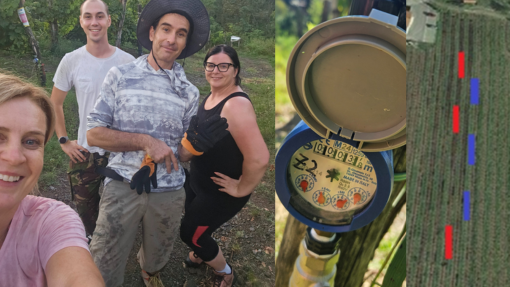
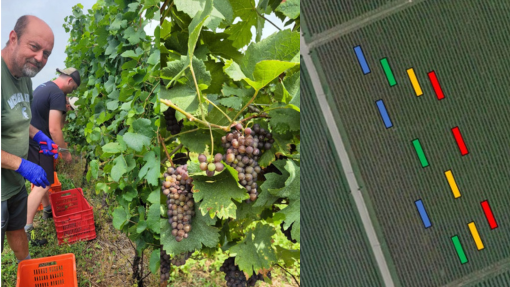
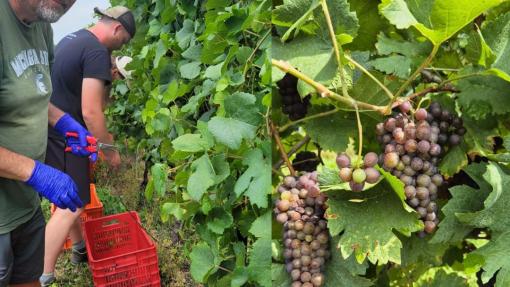
Overall, eight trials were set up: four focusing on irrigation and four on soil management, involving vineyards located in the Colli Orientali del Friuli, the lower Friuli plain, Goriška Brda and the Vipava Valley, representing different soil and climate conditions and the main wine-growing areas involved in the project. Shared irrigation and soil-management protocols were applied in these vineyards to improve water-use efficiency, increase plant resilience and assess the effects of water stress on production. The irrigation trials compared different controlled deficit-irrigation strategies on varieties such as Pinot Grigio, Glera, Pinela, Merlot and Chardonnay.
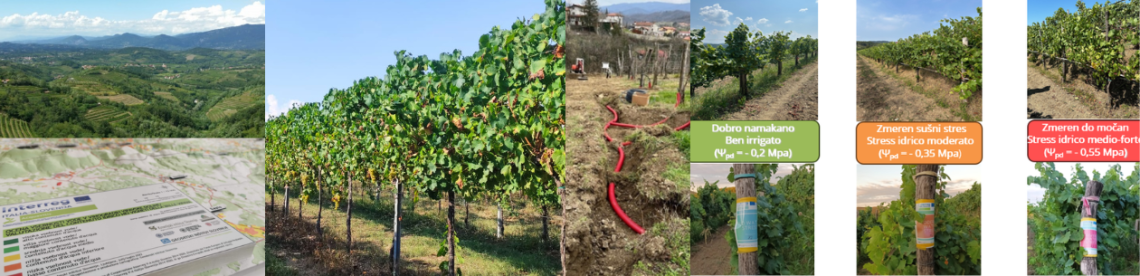
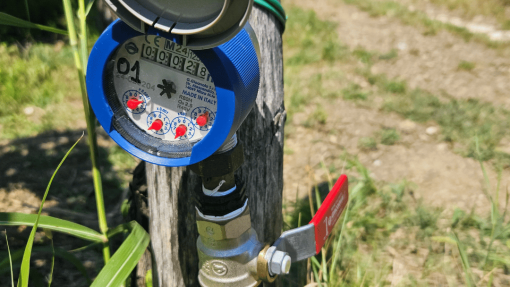
Monitoring integrated agronomic and physiological surveys, field sensors, weather data, Sentinel-2 satellite imagery, drone surveys and decision-support systems, according to methodologies shared by all partners. Over two growing seasons, more than 5,000 observations were collected and subsequently harmonised in a common database. The activities also made it possible to validate the use of remote sensing as an operational tool for monitoring vine water status, demonstrating that the integration of field observations and innovative technologies can provide timely and reliable information to support irrigation management.
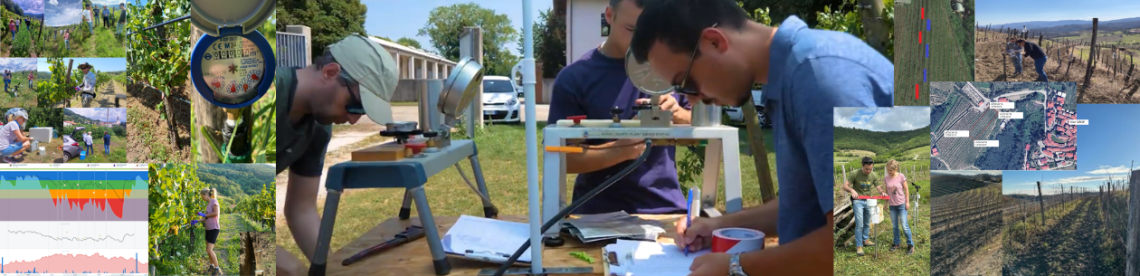
Alongside irrigation strategies, we tested new soil-management practices to improve vineyards’ capacity to conserve water and increase resilience to climate change. Different types of controlled grass cover, herbaceous species (rye, faba bean, mixtures) and vegetation-cover management techniques (mowing, rolling and green manuring) were compared, assessing their effects on water availability, vine development and grape quality. The trials showed that proper soil management is a complementary tool to irrigation for reducing water stress and improving vineyard sustainability.
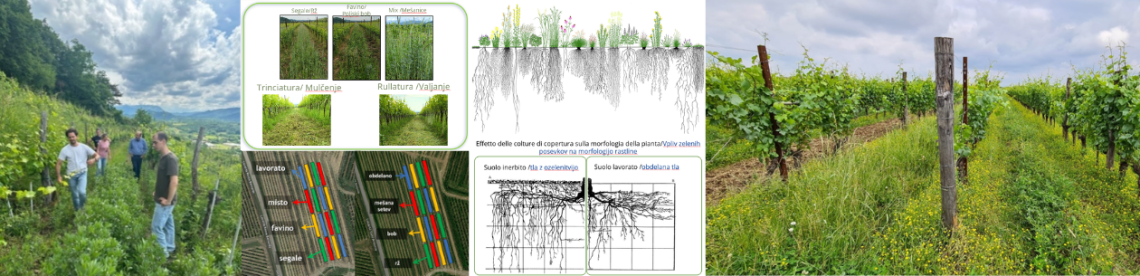
Read here the report D.1.2.1 on Experimental and Demonstration Trials
3. The ACQUAVITIS/IRRIGAVIT.eu digital platform and the use of technological tools in viticulture
The knowledge gained during the field research and experimentation activities was integrated into the evolution of the ACQUAVITIS digital platform, which was updated and expanded within the project to become IRRIGAVIT.eu. By integrating field data, Sentinel-2 satellite imagery, forecasting models, indicators of vine water status and machine learning algorithms, the platform makes it possible to monitor vineyards, display thematic maps, consult automatic multilingual reports and support more efficient and sustainable irrigation decisions.
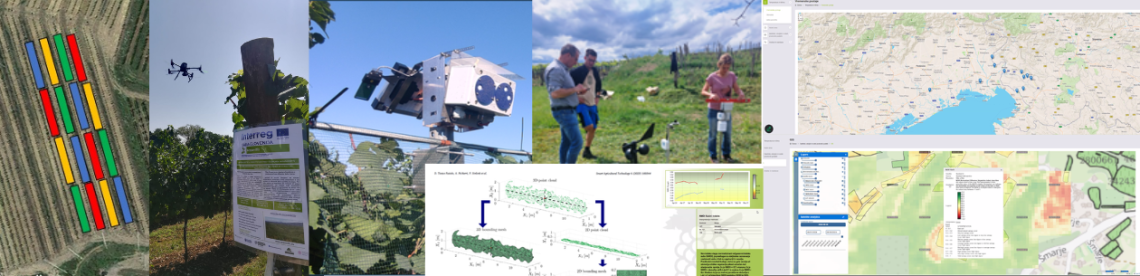
To learn more about the work carried out, please consult D.2.1.1 Report on satellite multispectral indices and also D.2.1.2 Report on the correlation between vineyard physiological parameters and multispectral indices.
The platform is one of the project’s main technology-transfer tools and makes the research results available to winegrowers, technicians and consultants in a simple and intuitive way. To encourage its use by sector operators, a dedicated cross-border workshop was also organised, presenting the platform’s features, how to interpret multispectral indices and possible operational applications in vineyard management.
Discover the IRRIGAVIT.eu platform
4. Understanding the pathway of water in the vine
To manage water sustainably, it is not enough to know how much water is available: it is essential to understand how the vine absorbs and uses it, and how it responds during periods of water stress. For this reason, IRRIGAVIT complemented the agronomic trials with an in-depth study of the ecohydrological processes that regulate the relationships between soil, plant and atmosphere. In the pilot vineyard in Corno di Rosazzo, ecohydrological and isotopic analyses were carried out on more than 340 soil, xylem sap and rainfall samples collected during the 2024–2025 season to reconstruct the pathway of water within the vineyard system, identify the vine’s water sources and assess the plant’s response to different climatic and management conditions. This research improved understanding of water dynamics in the vineyard and provided a scientific basis for more efficient irrigation strategies, capable of reducing water consumption without compromising production quality.
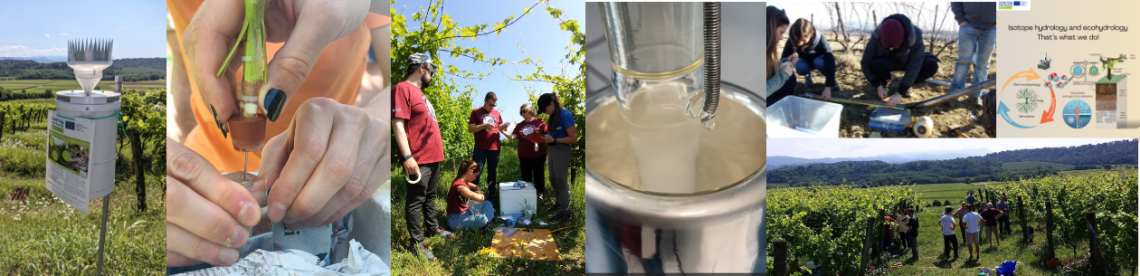
The results were collected in D.3.1.1 Report on the water dynamics in cross-border vineyards and transferred to operators through a field demonstration meeting and a video docu-lesson entitled "VINE and WATER" which explain in simple terms how this knowledge can be applied in day-to-day vineyard management. In this way, highly specialised research was transformed into practical tools to support winegrowers, technicians and consultants.
5. Assessing the effects on wine quality
The project objective was not only to reduce water consumption, but also to demonstrate that more efficient irrigation management can preserve, and in some cases improve, the quality of grape and wine production. For this reason, over two seasons, the trials monitored vine water potential, ripening curves, and the main production and quality parameters of the grapes from more than one thousand samples exposed to different irrigation strategies were monitored.
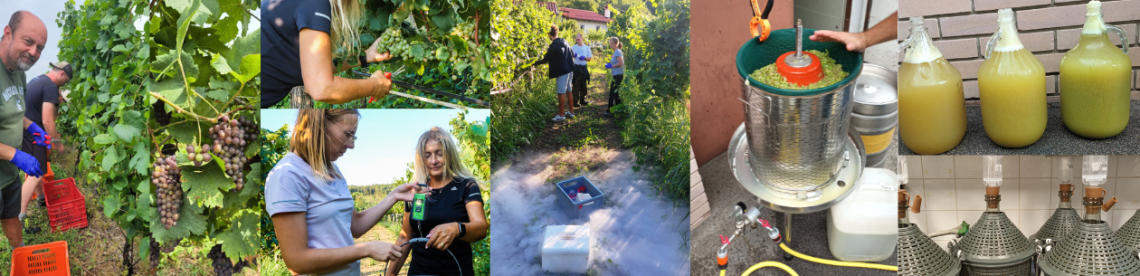
The results were verified through microvinifications, advanced chemical analyses, metabolomic studies of more than one hundred thousand metabolites for each vintage, and sensory evaluations of the wines obtained from the different experimental protocols. The activities showed that targeted management of water stress can optimise the use of water resources without compromising grape and wine quality, providing useful operational indications for defining more sustainable irrigation-intervention thresholds.
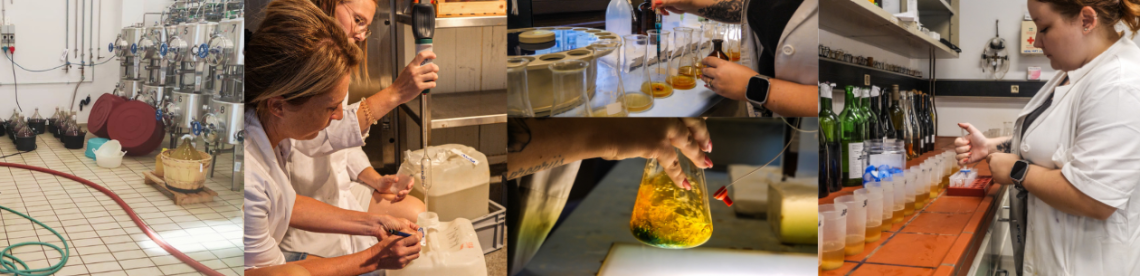
The results were collected in D.4.1.2 Report on the impact of irrigation protocols on grape and wine quality and in una video docu-lesson entitled “GRAPES and WINE” created specifically during the project and dedicated to vineyard management and wine quality.
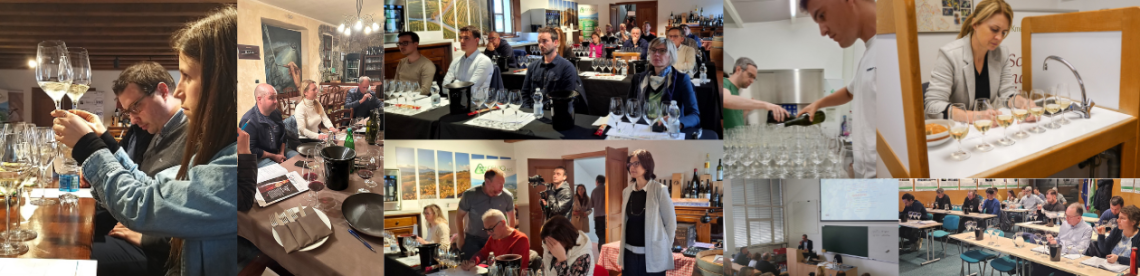
The experimental tastings represented the final stage of the research pathway, comparing agronomic, physiological and chemical results with the sensory quality of the wines. Between 2024 and 2025, ten technical tastings were held in Italy and Slovenia, involving researchers, oenologists, winegrowers, students and sector stakeholders:
The first two tastings (Pinot Grigio) on 19 March 2024 in Corno di Rosazzo and (Merlot) on 25 April 2024 in Dornberk;
The third tasting (Pinot Grigio and Glera) on 8 May 2025 in Corno di Rosazzo, while the fourth, fifth, sixth, seventh and eighth tastings (Pinela) were held on 8 January 2025 in Vipava, on 5 February 2025 in Novo Mesto, and on 20 March, 27 March and 2 April 2025 in Ljubljana;
The ninth tasting (Pinela) was held on 8 April 2025 in Ljubljana and the tenth tasting (Pinot Grigio and Glera) on 16 June 2025 in Udine.
These activities confirmed the role of tasting as a tool for scientific validation and innovation transfer, contributing to the definition of the IRRIGAVIT Guidelines for sustainable water and soil management in cross-border vineyards. The results showed that targeted management of water stress can help reduce water consumption without compromising the quality of grape and wine production, offering useful guidance for farms and territories.
6. Building shared knowledge
At the heart of IRRIGAVIT’s results lies intensive scientific and technical collaboration. During the project, more than 40 technical meetings were organised among partners, researchers, companies, stakeholders and institutions, focusing on activity planning, discussion of experimental results, harmonisation of protocols and the joint development of the project tools. This process made it possible to build a shared knowledge base and a common vision for sustainable water and soil management in cross-border vineyards.
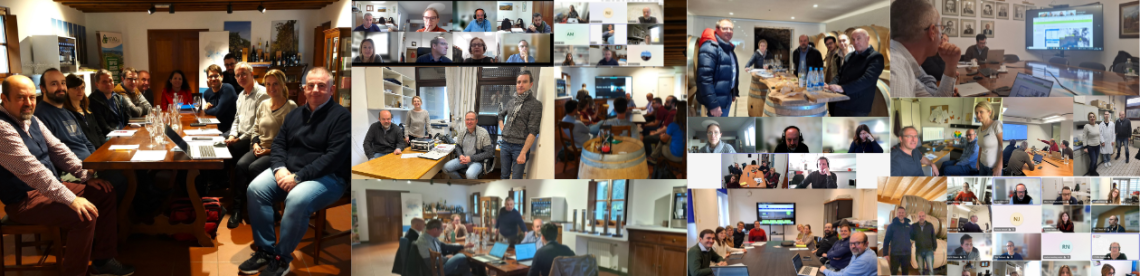
All the project outputs stemmed from this work: Guidelines, scientific and technical reports, the IRRIGAVIT.eu digital platform, video docu-lessons and dissemination materials now available to winegrowers, technicians, consultants and administrations. Visit the Documents section to discover our results.
7. Bringing results to the territory
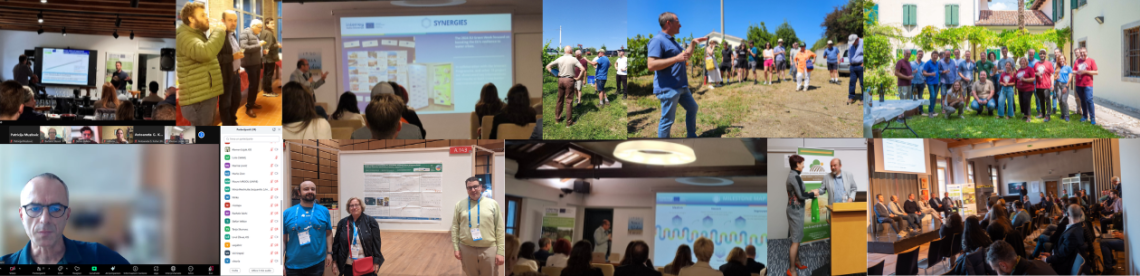
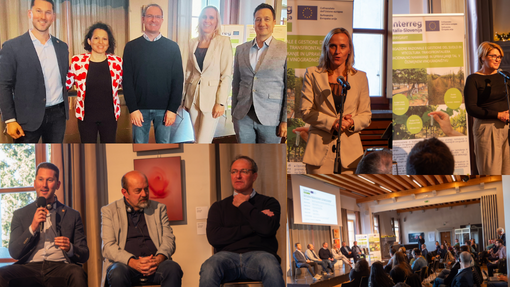
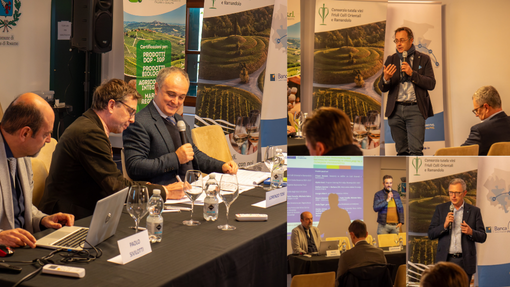
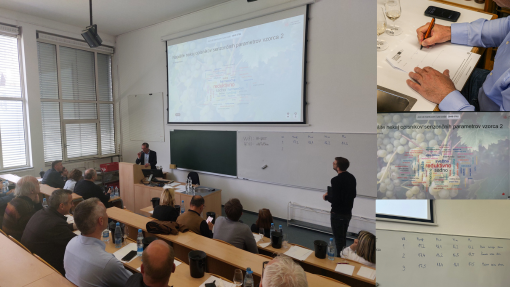
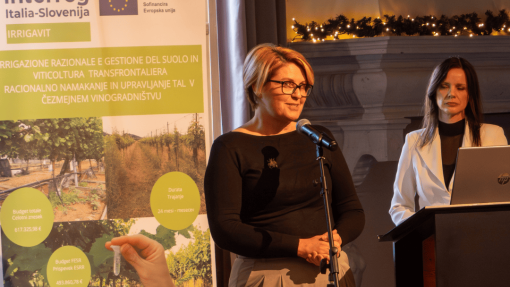
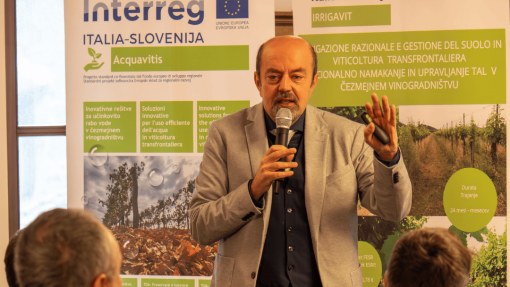
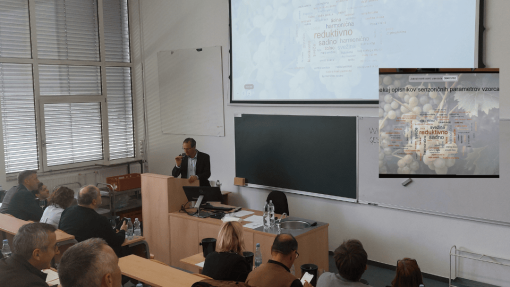
During the project, 38 events were organised, including workshops, webinars, demonstration days, technical tastings, participation in trade fairs and international scientific conferences, progressively involving thousands of winegrowers, technicians, researchers, students, public administrations and citizens. Among the most significant moments were the project opening conference in Corno di Rosazzo, the two press conferences dedicated to promoting good practices, the final conferences in Corno di Rosazzo and Vila Vipolže, as well as participation in major international events such as EGU – European Geosciences Union, GiESCO, Macfrut, RIVE, Salone del Vino di Piacenza, InfoWine, the international conference in Maribor, the AGRA Fair in Gornja Radgona, and the Journalism Festival in Ronchi dei Legionari. The quality of the results achieved led IRRIGAVIT to receive important European recognition: the project was selected from among more than 430 Interreg projects dedicated to the sustainable management of water resources to be presented at EU Green Week, and was subsequently highlighted as a good practice within Interreg GO!, helping to increase the visibility of the Interreg Italy–Slovenia Programme and to promote the transfer of the solutions developed beyond the cooperation area as well. Check the News and Events section to find more information about them.
8. From knowledge to territorial policies
One of IRRIGAVIT’s objectives was to transform research results into useful tools to guide future agricultural and wine-sector policies in the cross-border area. For this reason, the project promoted continuous dialogue with public administrations, sector bodies and Italian and Slovenian policy makers, organising bilateral meetings dedicated to sharing scientific results, territorial needs and possible climate-change adaptation strategies. This pathway fostered dialogue between research and institutions, creating the conditions to transfer the innovations developed by the project into future territorial strategies. The IRRIGAVIT Guidelines now provide a technical and scientific reference for promoting sustainable water and soil management in vineyards and form a basis for the evolution of production specifications, advisory services and agricultural policies in the cross-border area.
9. A cooperation that continues
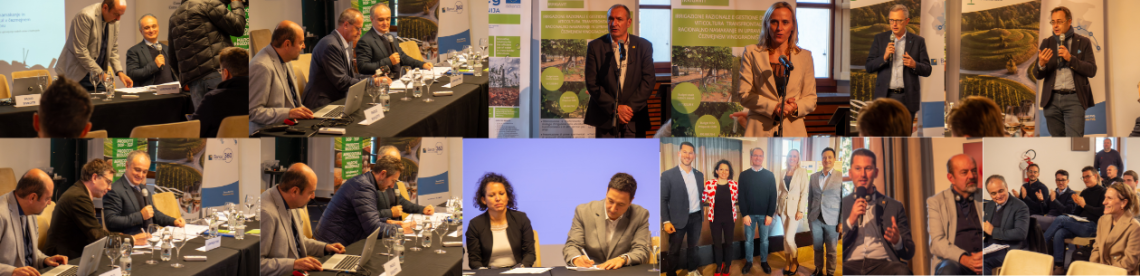
IRRIGAVIT does not end with the conclusion of its funding; rather, it leaves the territory with a stable cooperation network, operational tools and new development prospects. The signing of the Memorandum of Understanding (MoU) and the Joint Action Plan by the partners and the main institutional decision-makers — ERSA Friuli Venezia Giulia and the Ministry of Agriculture, Forestry and Food of the Republic of Slovenia — represents a concrete commitment to continue the work started, update the tools developed and foster the integration of the results into future agricultural and wine-sector strategies for the cross-border area. The continuity of the project is also strengthened by the synergies activated with other scientific, educational and European initiatives. The IRRIGAVIT.eu platform, the Guidelines and the other outputs will continue to be promoted and used in research, training, technical advisory services and innovation-transfer activities. This perspective includes collaborations with Across Alliance, the National Agritech Centre, the new joint PhD programme student of KIS–University of Udine and the new project proposals developed from the IRRIGAVIT experience.