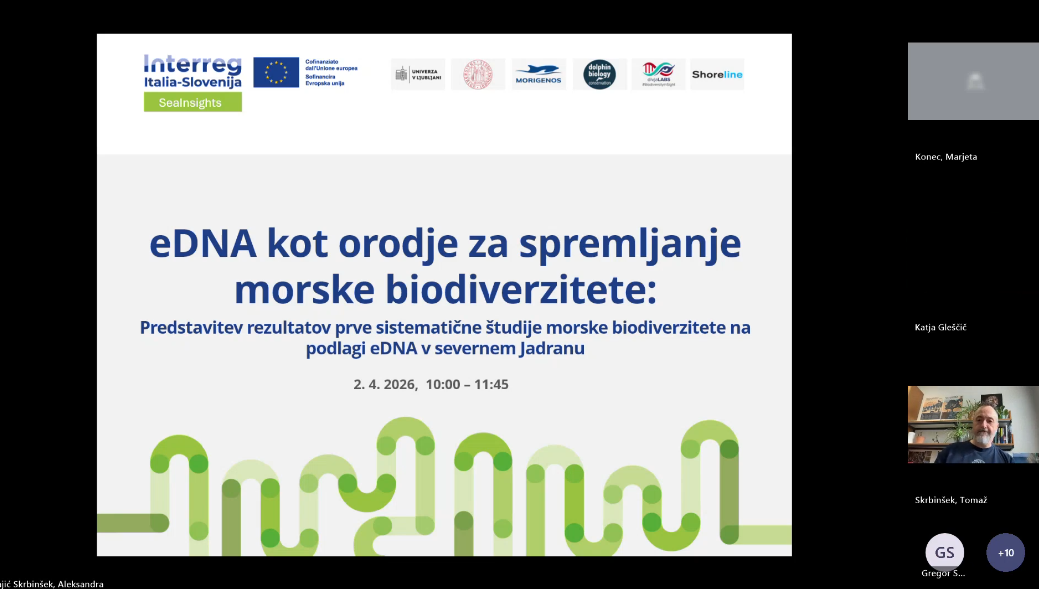
At the beginning of April 2026, project team organized two expert seminars to present the results of the pilot study on marine biodiversity monitoring using environmental DNA (eDNA) — one for the Slovenian public and one for the Italian public. The events were designed to bring the key findings of the pilot study closer to interested audiences on both sides of the border.
The SeaInsights project is focused on improving the conservation and management of the Northern Adriatic through biodiversity monitoring based on environmental DNA and public engagement. Its key objectives include a pilot assessment of marine biodiversity using eDNA, the development of practical guidelines for future transboundary cooperation, and strengthening the transfer of knowledge into practice.
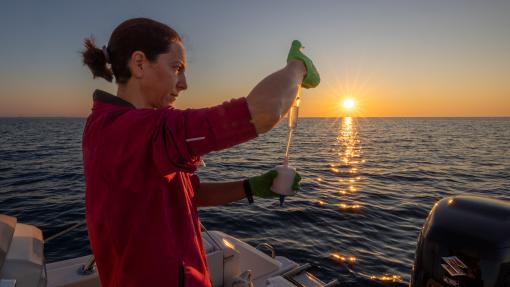
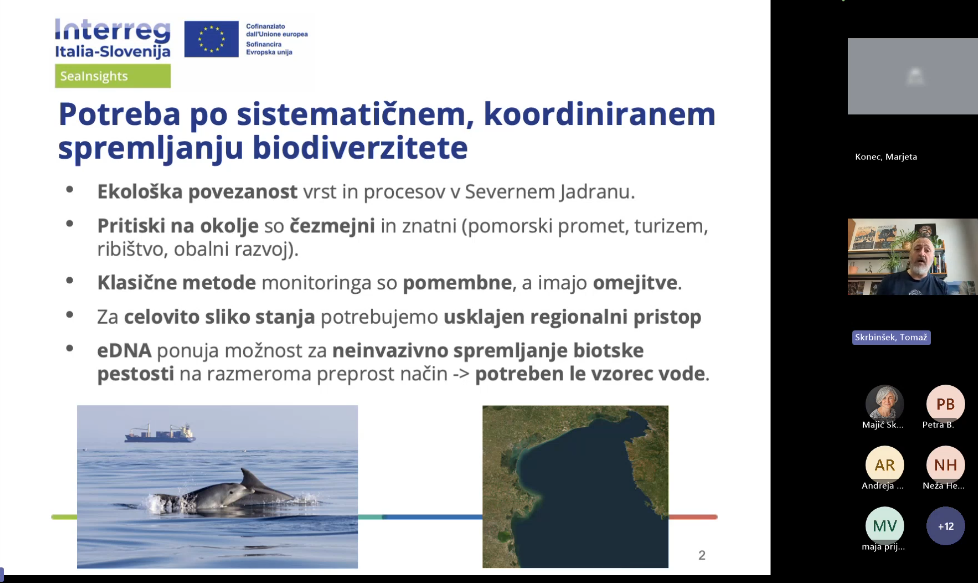
At the seminars, researchers from project partner DivjaLabs presented the results of the pilot seawater eDNA sampling carried out within the project according to a harmonized cross-border sampling design. This included a system of 24 transects in the eastern and western parts of the Northern Adriatic and repeated sampling between August 2024 and April 2025, which enabled comparable data collection across a broader area.
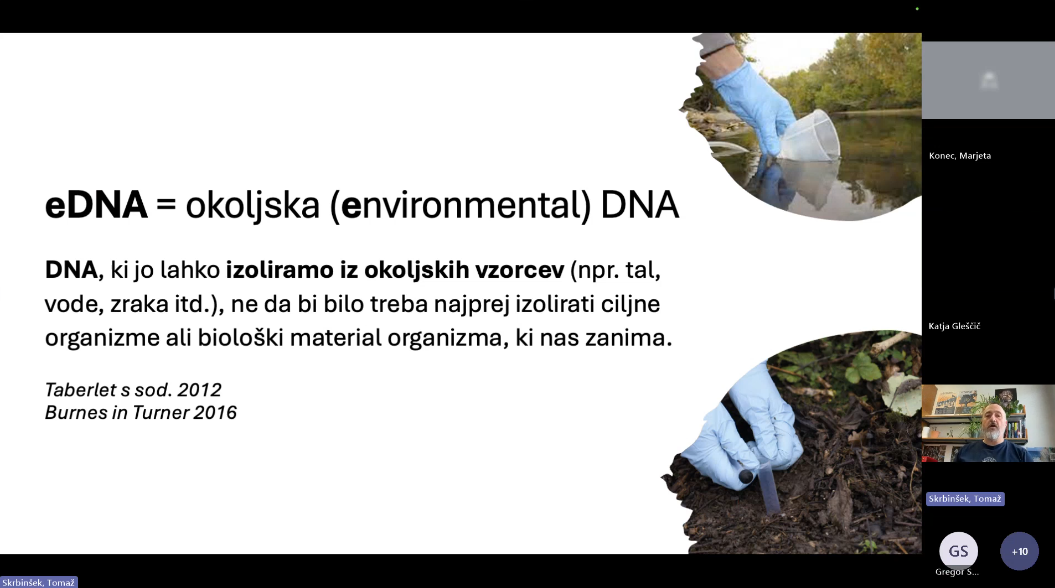
The eDNA method makes it possible to detect genetic traces of organisms in seawater samples and thus gain insight into the presence of different groups of marine organisms without directly disturbing the animals. This approach represents an important complement to existing monitoring methods, as it provides a broader and non-invasive insight into the state of the marine ecosystem.
Particular emphasis during the seminars was also placed on the future. In addition to its research activities, the project includes the development of practical guidelines for the transboundary monitoring of marine biodiversity and marine mammals, where cooperation between countries is essential, since marine ecosystems do not follow administrative borders.
At the end of both seminars, participants were invited to complete a short questionnaire. Its purpose was to gather their evaluation of the event and collect their views on the future use of eDNA for assessing and monitoring marine biodiversity. An important part of the questionnaire also focused on the need for continued cross-border cooperation in the monitoring and conservation of the Northern Adriatic.
The collected feedback will help the project team further shape the guidelines and recommendations that will serve as a basis for more effective, better coordinated, and longer-term monitoring of marine biodiversity in the Northern Adriatic.