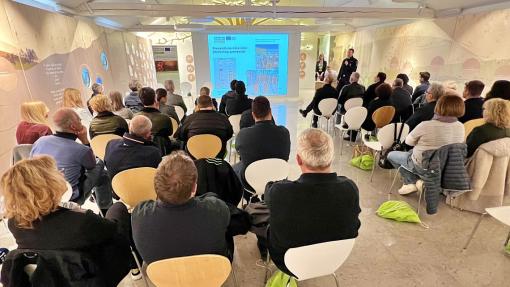
On 17 March 2026, the final event of the cross-border Interreg project KARST-SAFE – Preventive measures for a safe Karst took place at the Interpretation Centre of the Sežana Botanical Garden, which confirmed the exceptional importance of connecting in managing the fire risk of the Karst with its content and participation.
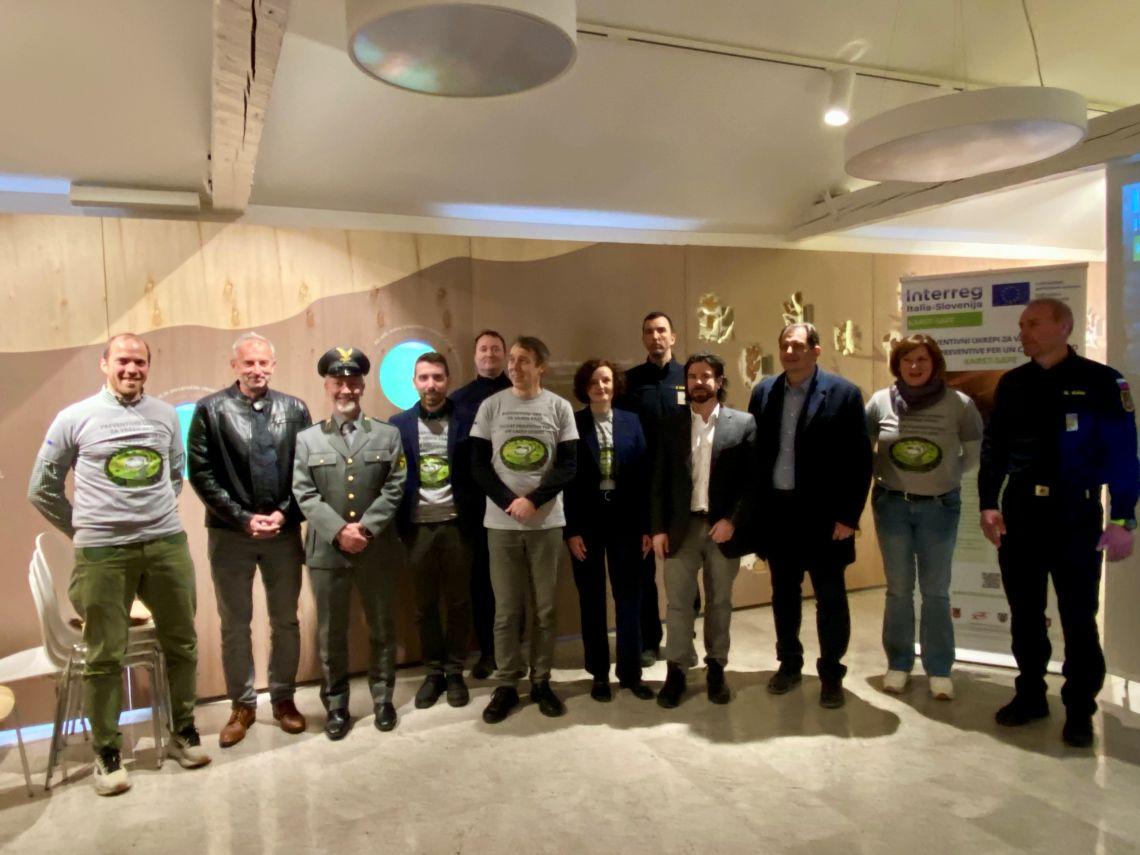
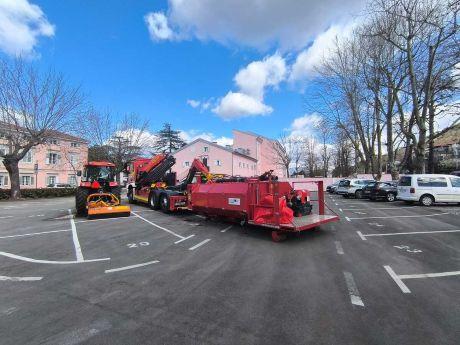
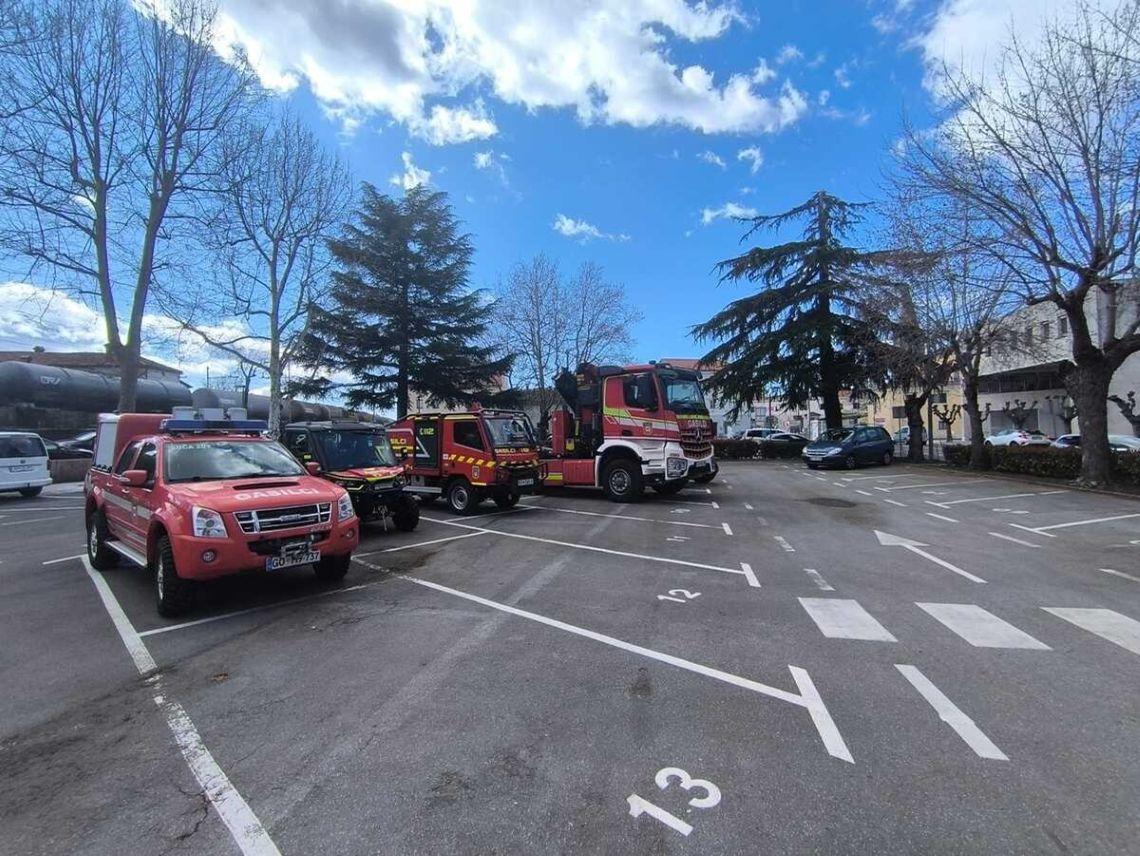
At the beginning, representatives of the participating municipalities and the Interreg program highlighted the importance of a joint, cross-border approach to solving the challenges brought by climate change and the increased fire risk of the Karst area. The project partners then presented the key results achieved in the period 2023–2026. The project brought numerous concrete and measurable effects, among which the establishment and expansion of as many as 174 hectares of new grazing areas stand out, thereby reducing overgrowth and the amount of combustible biomass near settlements. Significant progress was also made in the area of raising public awareness, digitalizing protective zones around settlements, and strengthening operational readiness by purchasing modern firefighting equipment, including mobile water tanks, extinguishing modules, pumps, thermal camera, and an observation vehicle. Locations for helicopter water collection were recorded and documentation for the construction of supply basins was prepared. Firefighting equipment was exhibited for the event's guests and all citizens.
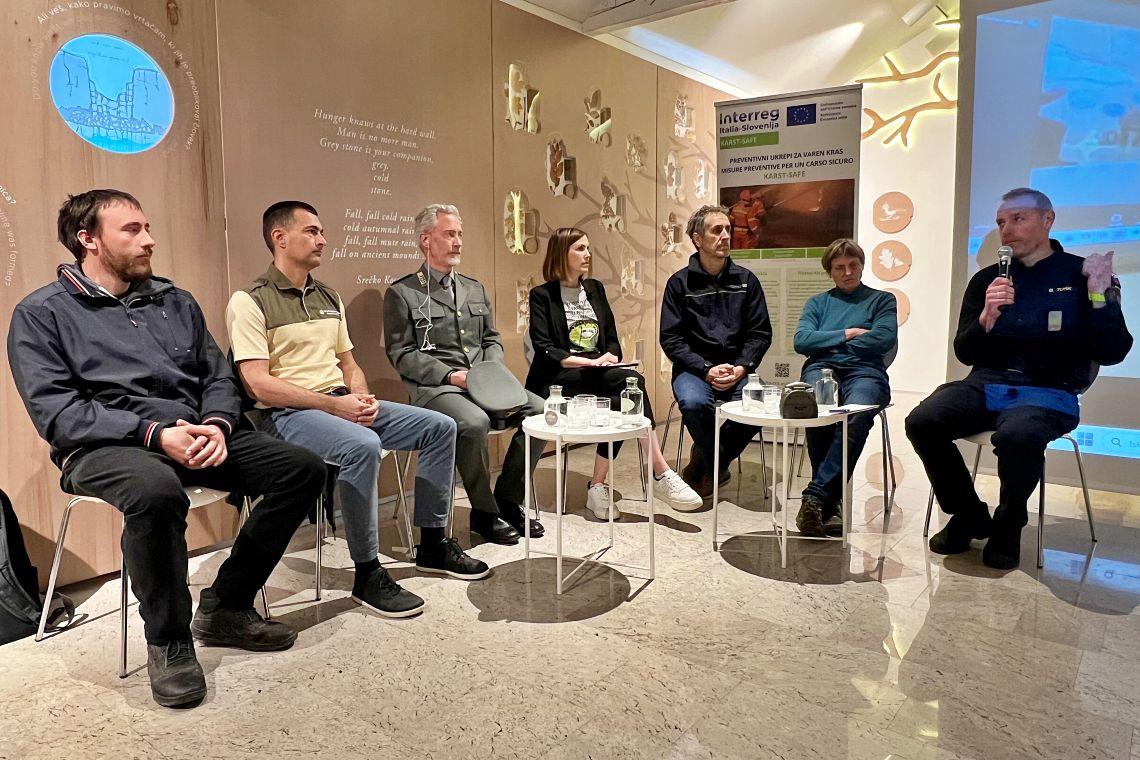
A special highlight of the event was the round table entitled "How to effectively continue the implementation of preventive measures for a safe Karst?", which brought together representatives of the fire service, forestry, agriculture, and international projects. The discussion clearly demonstrated that coordinated action, knowledge exchange, and the involvement of the local population are key to long-term safety. The desire to upgrade and capitalize on project results in future project applications was clearly expressed.
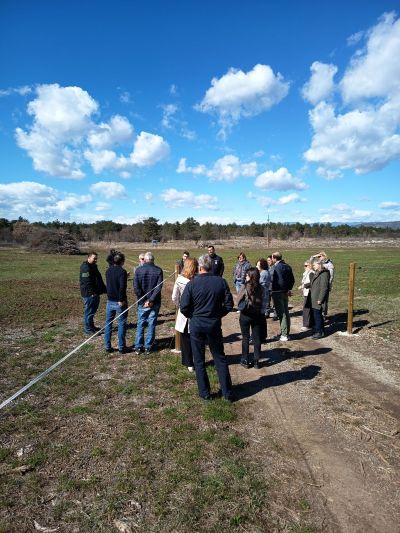
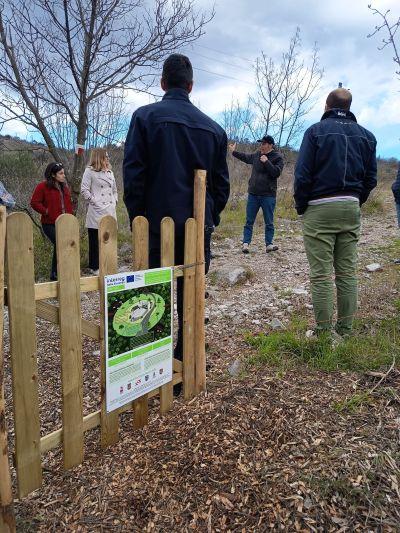
The official part was followed by networking, which further confirmed the good cooperation between partners and stakeholders and the clearly expressed desire to upgrade and capitalize on the project results in future project applications. The event continued with a field visit to the project results in the wider Karst area, where participants viewed the implemented preventive measures by establishing new grazing areas around the villages at specific locations. During these visits, herbivore breeders further confirmed the useful value of the measures and their direct contribution to greater fire safety in the area with their explanations.
The KARST-SAFE project is concluding as an extremely successful story of cross-border cooperation. It not only brings professional foundations and equipment, but above all tangible improvements in the field and solid partnerships between key actors, which will be important in the future. Several participants in the event emphasized that the established connections represent one of the greatest values The KARST-SAFE project is concluding as an extremely successful story of cross-border cooperation. It not only brings professional foundations and equipment, but above all tangible improvements in the field and solid partnerships between key actors, which will be important in the future. Several participants in the event emphasized that the established connections represent one of the greatest values of the project.
The KARST-SAFE project, co-financed under the Interreg VI-A Italy-Slovenia Programme, thus represents a comprehensive model of preventive fire risk management that combines safety, sustainable use of space and community participation.