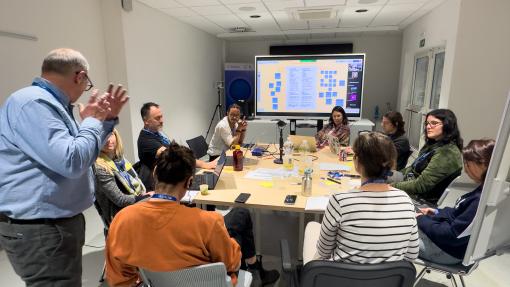
On Thursday 5 February, Shoreline hosted the first multi-stakeholder forum dedicated to drafting cross-border guidelines for monitoring biodiversity in the Northern Adriatic for the SeaInsights: Investigating the Sea project.
The event was part of the work package Science and stakeholder involvement for the conservation and management of the Northern Adriatic, which is targeted at experts, researchers and representatives of institutions and organisations active in the fields of marine research, conservation and environmental management, with the aim of finding solutions tailored to the specific characteristics of cross-border areas.
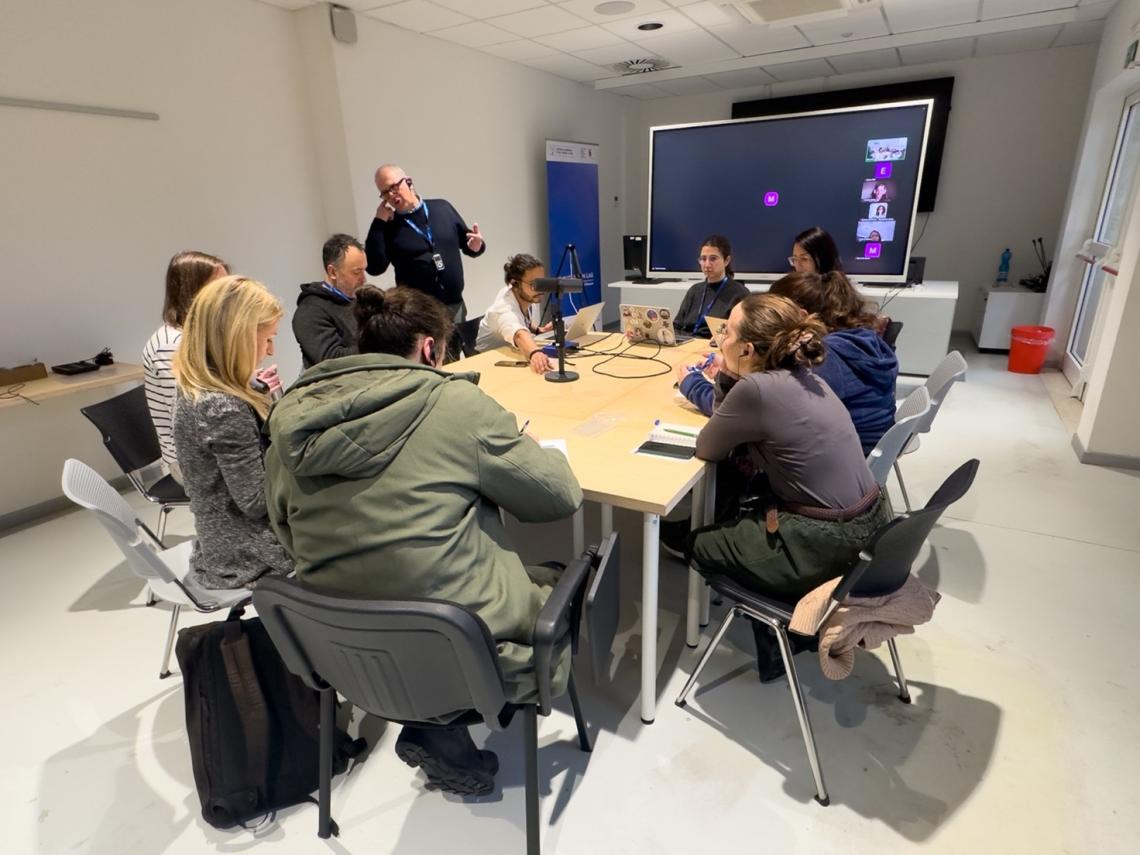
The forum was held in a hybrid format, in Trieste for those attending in person and via Zoom for remote participants, in two different sessions: in the morning, we discussed environmental conservation and techniques for monitoring marine mammals, while in the afternoon the focus shifted to innovative biodiversity sampling methods such as environmental DNA analysis.
More than twenty Italian and Slovenian stakeholders participated in the multi-stakeholder forum, and we gathered numerous different points of view to include in the guidelines. Each session began with a presentation of the work carried out so far by the SeaInsights project and continued with a guided discussion within a participatory process.
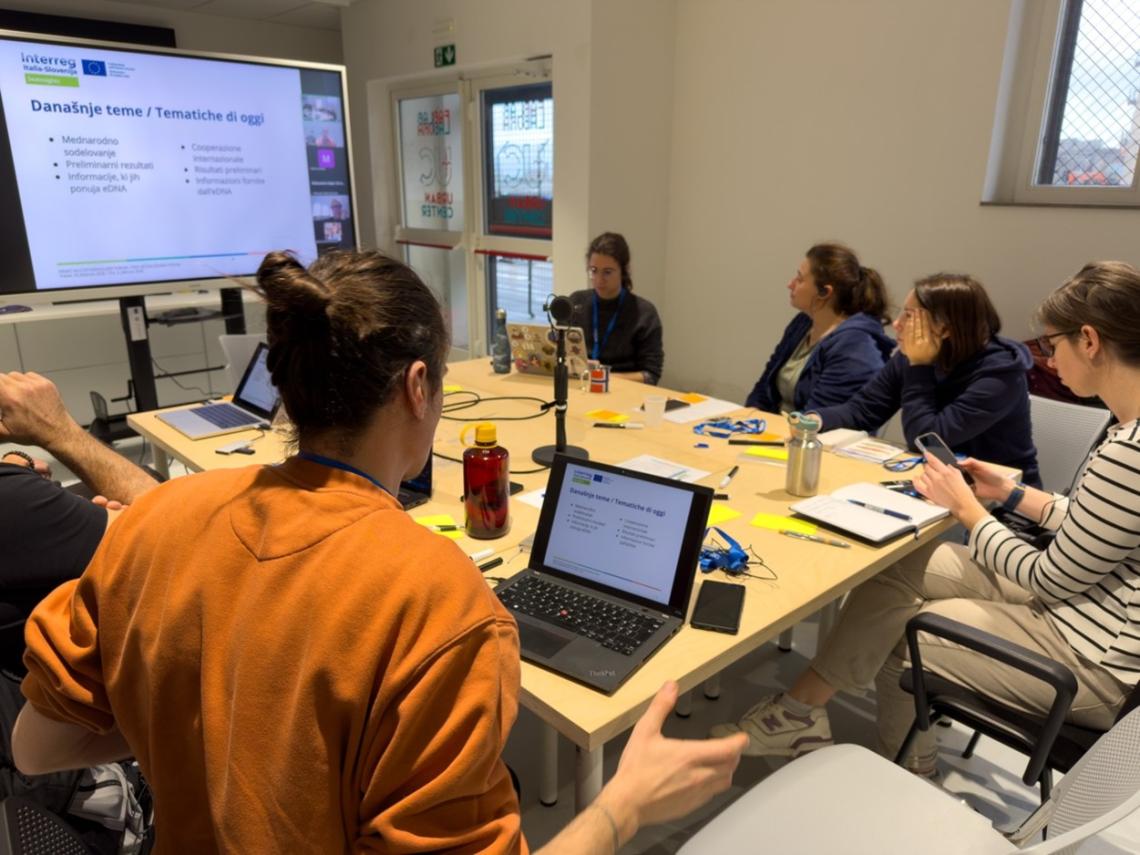
At the start of the morning session, Krista Lokar (Morigenos) presented the results of the collaboration between the Italian partners of Dolphin Biology Conservation and the Slovenian partners of Morigenos in monitoring marine mammals in the Northern Adriatic and in sharing the data collected over time. Marco Francese (Shoreline) then took the floor and presented the index of guidelines agreed upon by the project partners, emphasising the importance of stakeholder input in adding perspectives on the opportunities and challenges presented by cross-border contexts. Francese then opened the discussion with questions prepared to stimulate input from participants, both in person and remotely. The discussion continued animatedly until lunchtime, starting with the different methods of monitoring marine biodiversity and moving on to imagining solutions for collaboration between Italian and Slovenian institutions dedicated to environmental conservation.
In the afternoon, the session opened with a presentation by Gregor Simčič (Divjalabs) on the preliminary results obtained by the Slovenian laboratory thanks to environmental DNA samples collected by Italian and Slovenian project partners. Francese presented the index of guidelines and the objectives to be achieved through stakeholder involvement to the afternoon audience. The discussion then moved on to new methods of monitoring marine biodiversity with advanced technological tools, such as sampling with drones or satellites and environmental DNA analysis. We discussed the critical issues and opportunities of cross-border collaboration and the best ways to involve decision makers, as well as citizens, in environmental protection. What emerged was the need to involve these groups by finding compromises and a language that would resonate with them.
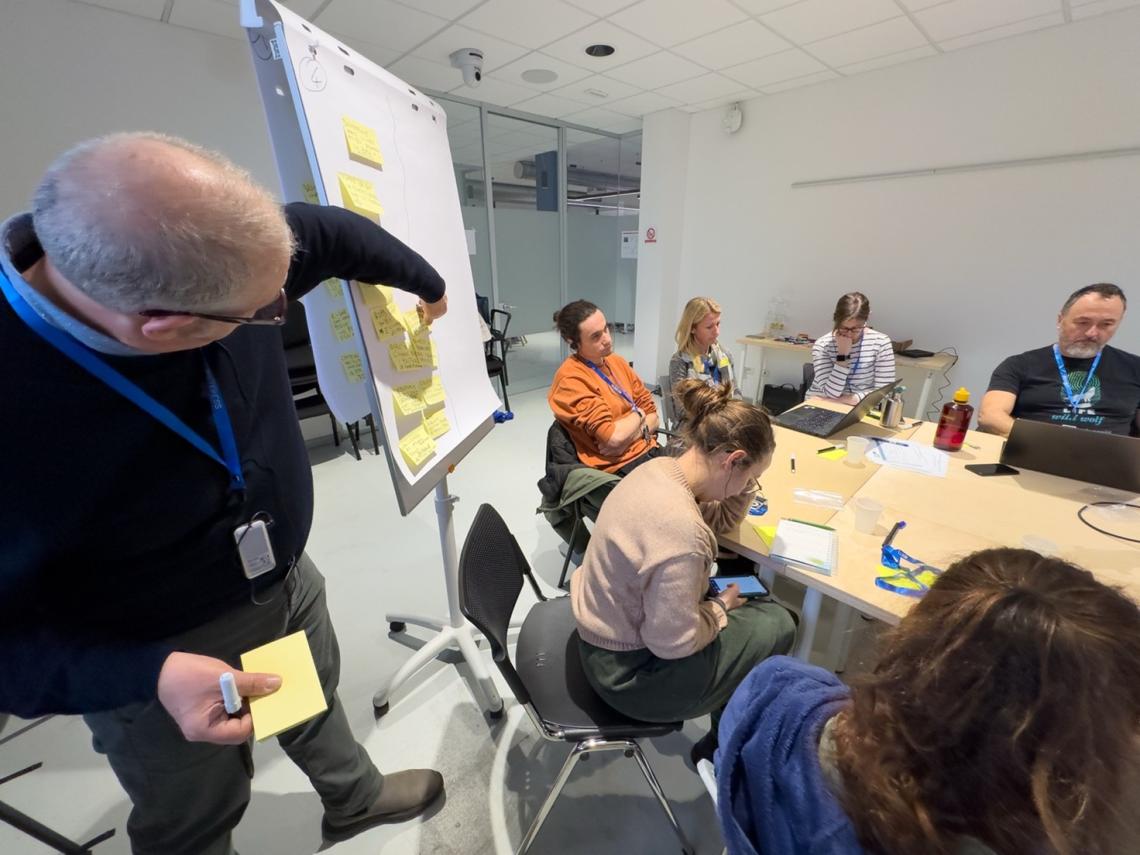
Both sessions generated lively discussions and allowed us to gather different points of view, for example from marine biology students, researchers, Marine Protected Area operators, and members of associations involved in environmental conservation.
Over the next month, the Shoreline team will process the material collected and prepare a first draft of the chapter dedicated to stakeholder opinions in the guidelines for cross-border monitoring. We will shortly announce the date of the second Multistakeholder Forum, where we will present a near-final version of the guidelines and gather final comments from participants.