
GoJGo
The project aims to enhance the Jewish presence in the Gorica and Gradisca regions during Go2025. Through the training of tour guides, creation of a multilingual website with augmented reality for ten sites, and inclusion in European Jewish heritage trails, it aims to provide an engaging and inclusive visitor experience. A training course will address Jewish culture and history, with a focus on religious norms for welcoming Jewish tourists. Collaboration with local authorities, universities and cultural organizations will contribute to the realization of this sustainable project.
The main objectives of the project were:
to highlight the Jewish cultural, historical and religious heritage of the cross-border region of Friuli-Venezia Giulia and Slovenia;
to create a unified, shared cultural tourism route connecting sites that bear physical evidence of a Jewish presence that has now largely disappeared;
to promote this route at the European level (and beyond) as part of the cultural heritage; to make the history and memory of these places accessible to as many people as possible through the GoJGO! app, which can be downloaded for free and used in multiple languages, an objective directly linked to that of Public History of Education.
Another important objective was to ensure inclusivity for people who are not necessarily experts in the field, including residents of these areas, Italian and foreign tourists and people with visual impairments.
Two workshops dedicated to Jewish music and cuisine were organized at the Jewish Museum of Trieste, with the participation of certified guides enrolled in the course (about half of them were in person and the other half joined online via Zoom).
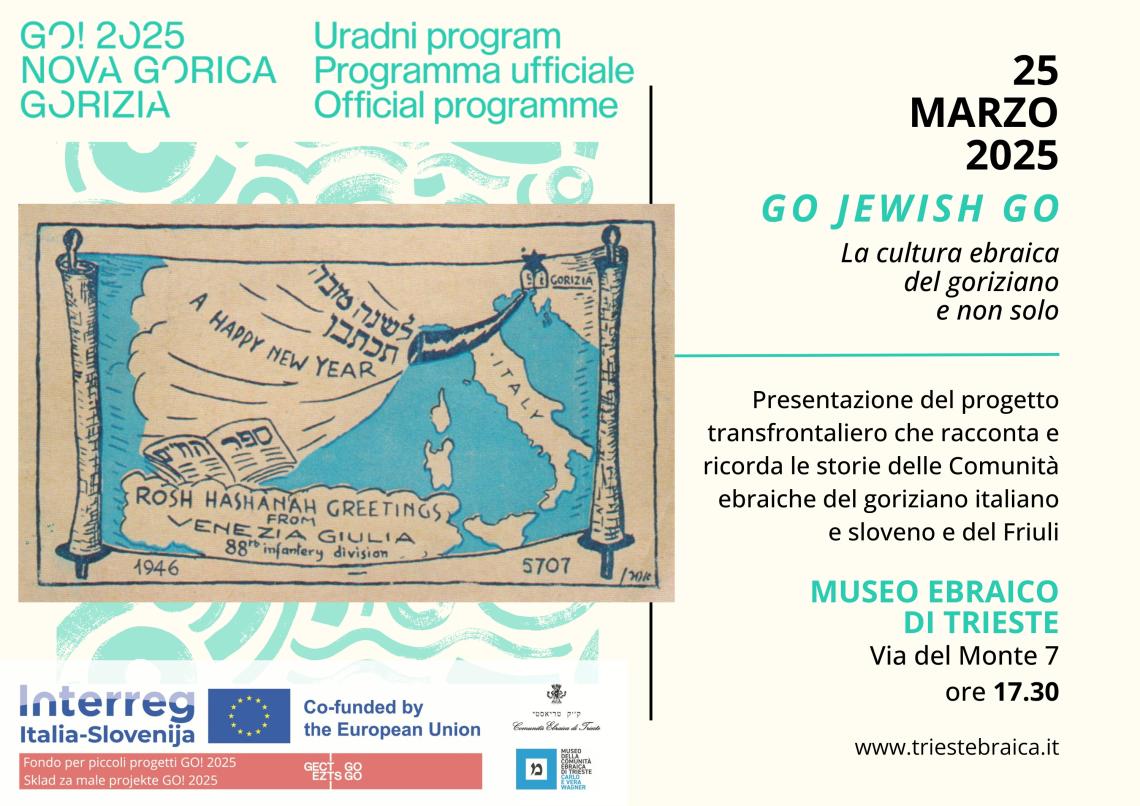
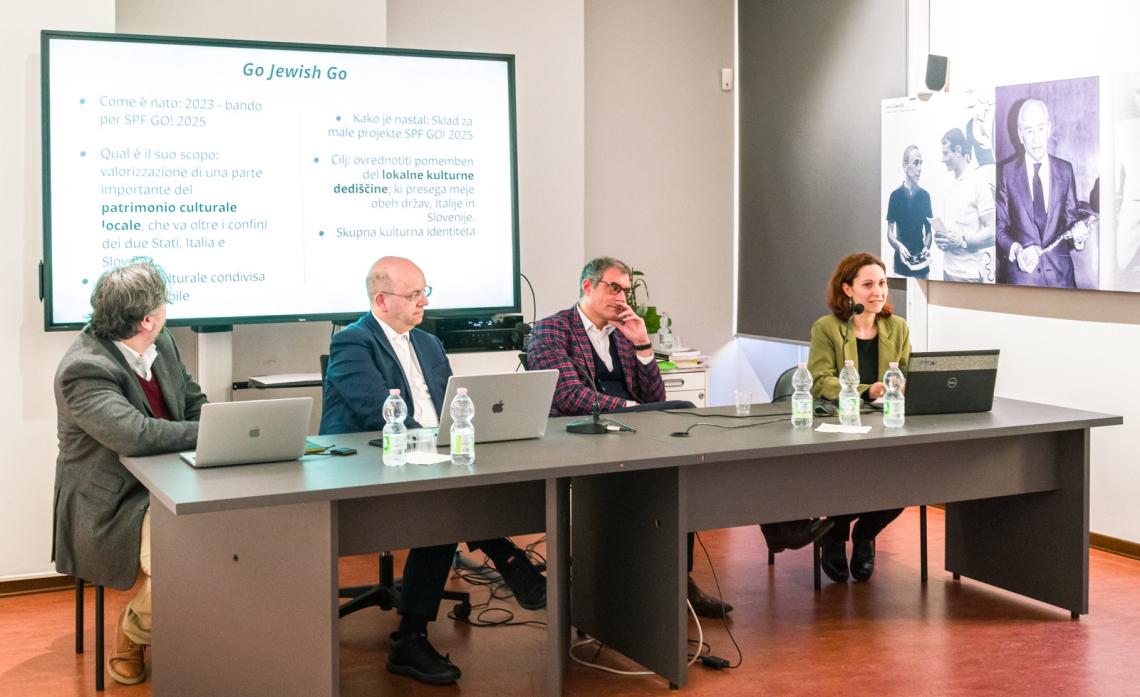
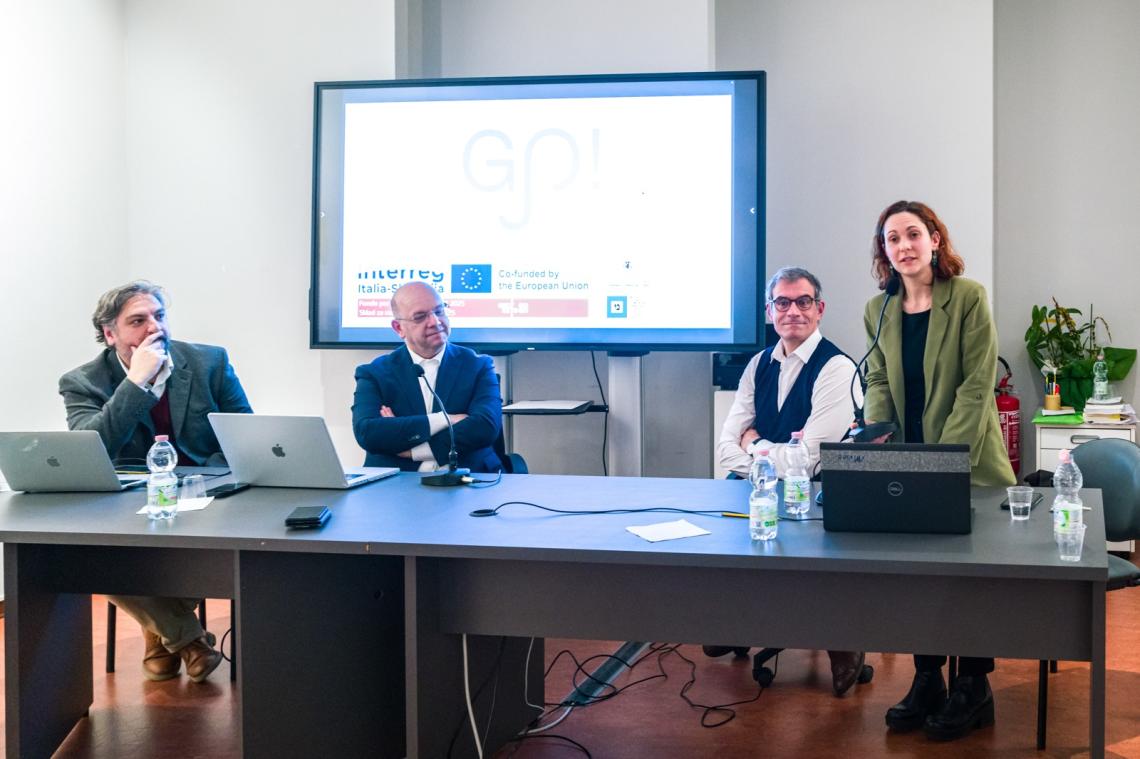
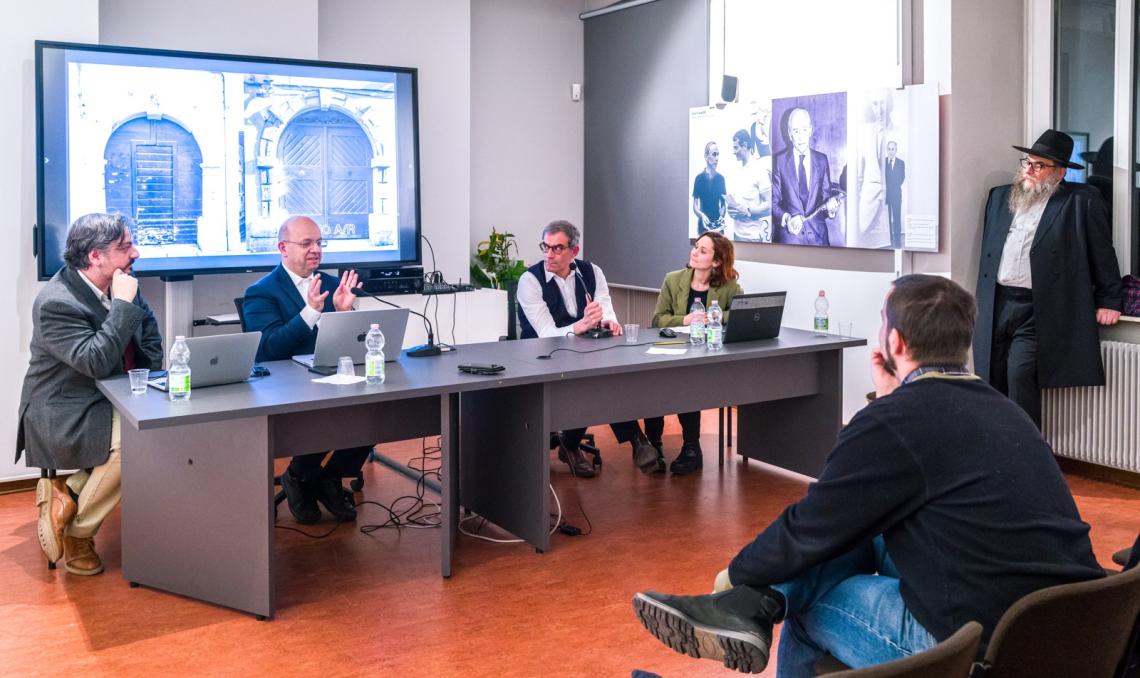
At the “Carlo and Vera Wagner” Museum of the Jewish Community of Trieste, the project and the work carried out between 2024 and 2025 were presented to the public: the training course for guides, the free GoJGO! app created by staff at Ca’ Foscari University of Venice, and the museum’s inclusion in the European Routes of Jewish Heritage.
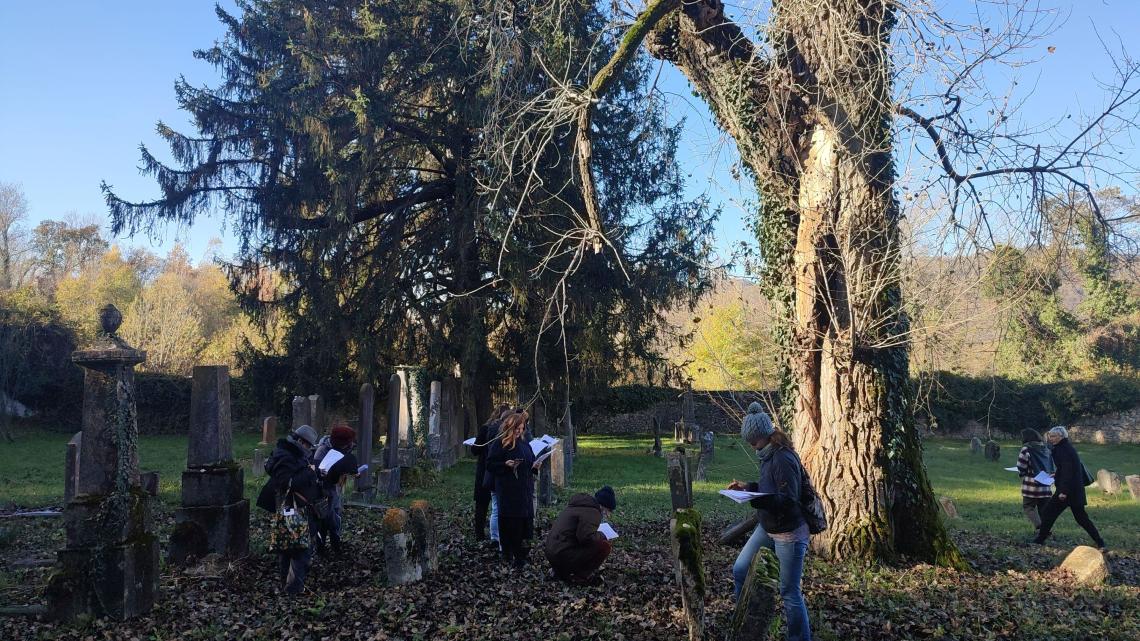
Training sessions were held at the Jewish Museum on local Jewish history and Jewish religious traditions, and the training continued with visits to various local Jewish sites. The training sessions were conducted in both Italian and Slovenian, in person and online to allow both Italian and Slovenian guides to participate, including those who do not live in Trieste. In addition, study materials were prepared and provided to the guides both to help them prepare for the exam and to ensure ongoing training.
A free, multilingual app was created to make this knowledge more accessible to the widest possible audience.
Image
| Image
| Image
| Image
| Image
|