
PV
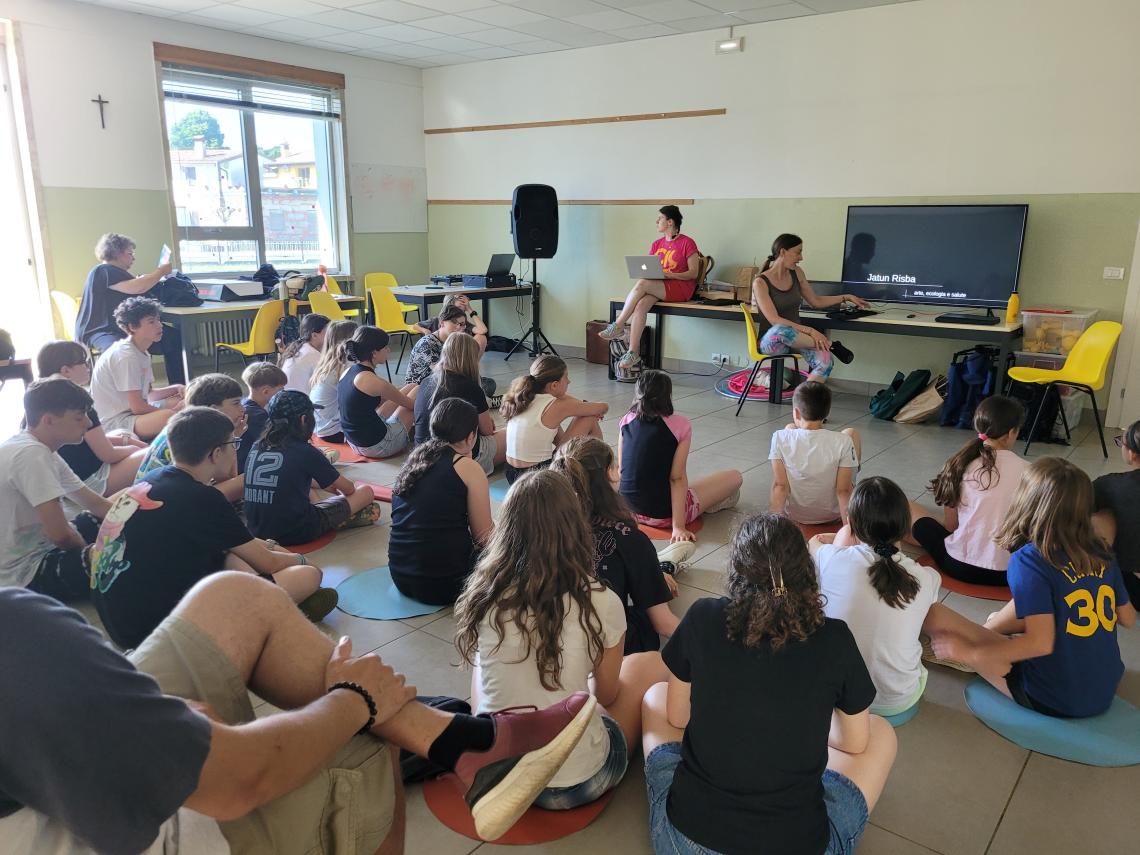
The project focuses on the intersection of wartime and industrial history in the Italian-Slovenian area. After wartime investments, the region faced a post-Berlin Wall crisis, leading to unemployment and migration. The project aims to enhance war-industrial identity and industrial archaeology by involving artists, students and businesses. Using contemporary arts tools, it aims to promote innovation, cross-border education and sustainable tourism. Expected outcomes include creative ateliers, artist residencies, cultural events and a network for the enhancement of industrial heritage.
The project's goals were:
- To highlight the human capital and history of the cross-border territory through contemporary art, trying to redefine the territory in the context of a history shaped by war and industry, a history that is part of the border region’s DNA, while drawing on the very characteristics that in the past made the area little-known and perceived as “peripheral”;
- To promote innovation by bringing together cultural producers and the local community, with the aim of fostering a creative environment;
- To enhance the border area by promoting sustainability. Characterised by the presence of mines, steel mills, quarries, cotton mills and abandoned factories stretching along the Isonzo River, the area offers significant industrial heritage. The project sought to revitalise these discussed sites in order to foster responsible cultural tourism.
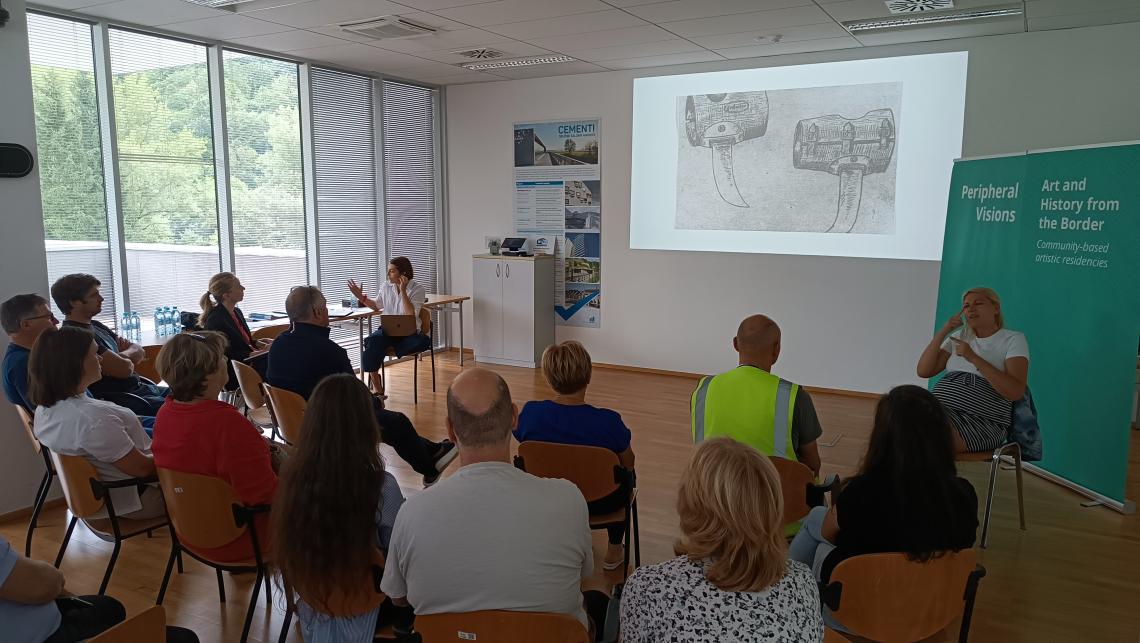
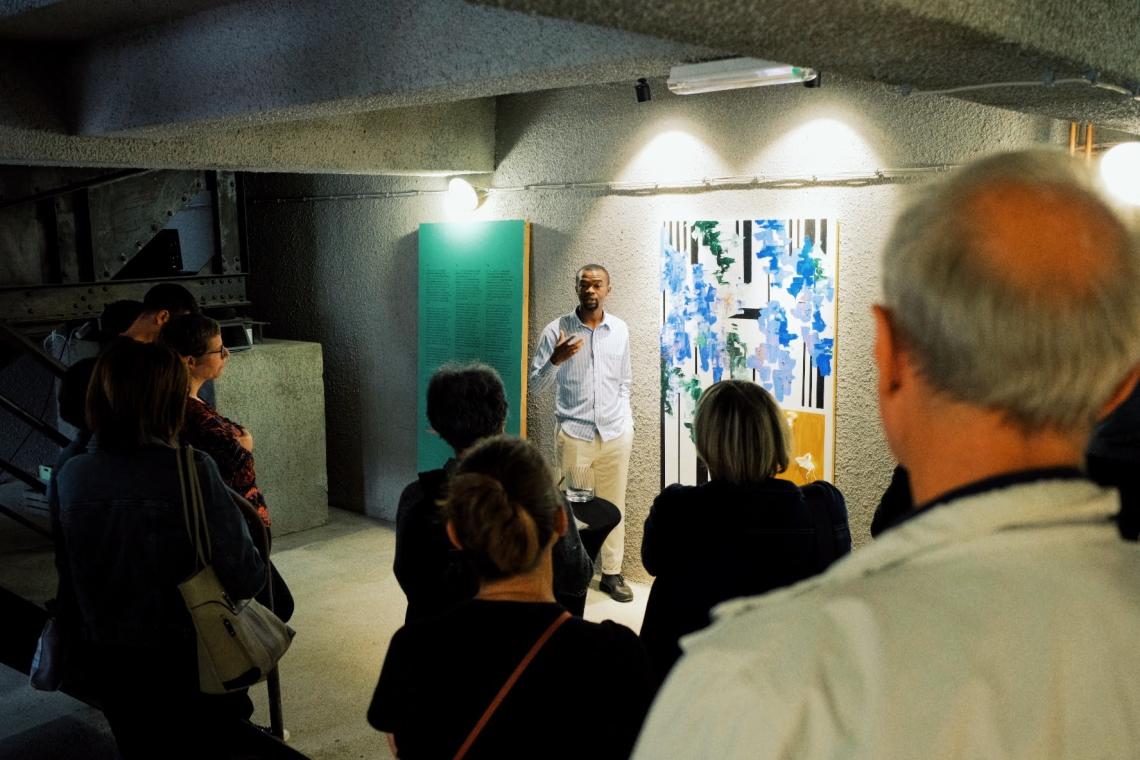
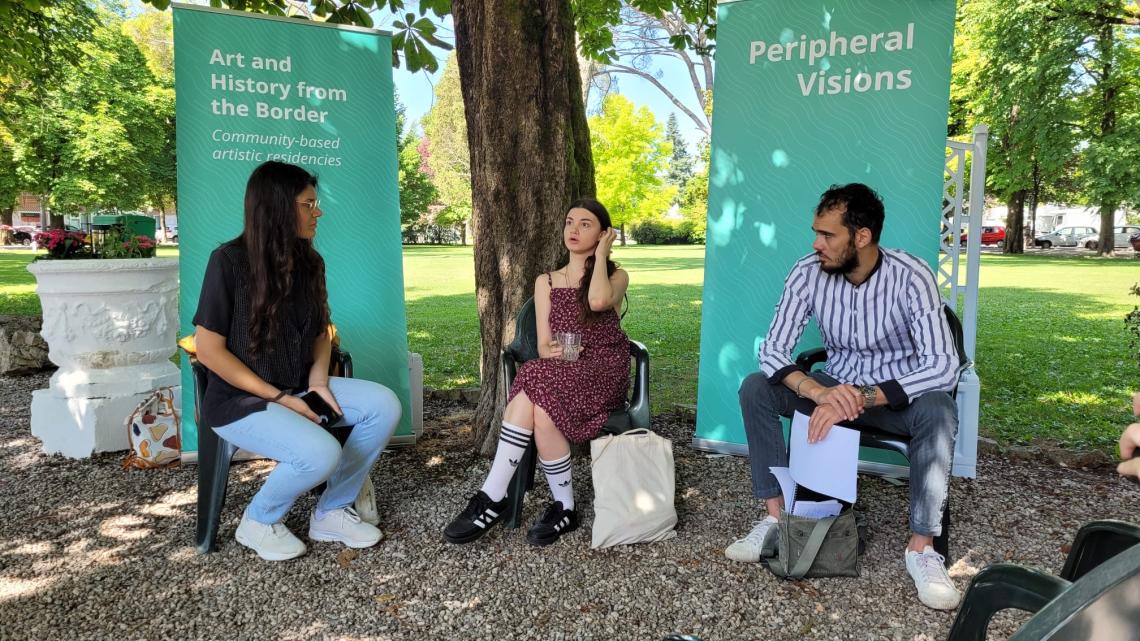
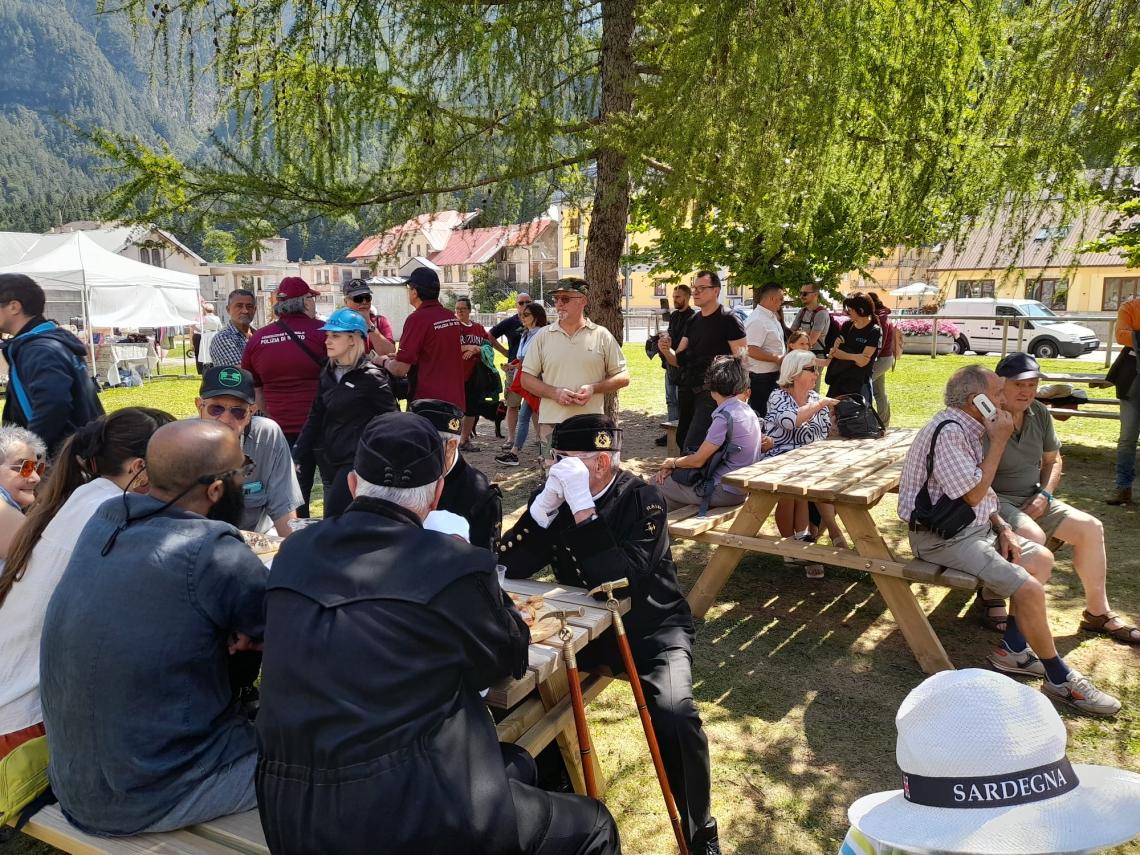
The project brought together international artists in cross-border residencies between Friuli-Venezia Giulia and Slovenia, exploring the “margin” as a generative space for encounter and reflection. Artists from Slovenia, Italy, Serbia, Iran, the United States of America, South Africa and Congo, along with professionals from Ukraine, Zambia and Romania, created works interwoven with local histories, industrial heritage, and collective memories. At the heart of the project’s success were the stakeholders, a broad and diverse network that made a vibrant and participatory dialogue possible.
In addition to the project’s promoters, many institutions and public bodies contributed to the initiative’s success, alongside local businesses, which played a key role in the residencies: each artist collaborated directly with a local company, engaging with the people, methods, materials, and entrepreneurial histories of Friuli-Venezia Giulia and Slovenia.
Looking ahead, the project aims to establish a permanent working group to continue these initiatives beyond GO! 2025, embedding them in local agendas.
Image
| Image
| Image
| Image
| Image
|
Project website: Peripheral Visions