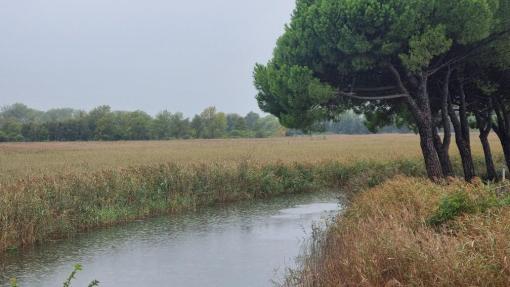
Visitors to the Natura 2000 site of Cavana di Monfalcone can now experience nature in a new and engaging way. As part of the cross-border GRENNAT project, an educational thematic trail has been completed, guiding visitors through one of the most valuable natural areas of the Northern Adriatic and offering an accessible introduction to its rich biodiversity.
The new trail runs along the Brancolo Canal within the Natura 2000 site “Cavana di Monfalcone”. Informative materials and educational content have been created to help visitors explore and better understand the area. Special attention has been devoted to raising awareness about the importance of protecting habitats and species that depend on this unique environment.
As part of the project, two information boards featuring illustrations of bird species found in the area have been installed. Visitors can also use a map showing walking and cycling routes, together with information brochures available in Italian, Slovenian, and English. These resources help residents, visitors, and tourists discover the natural features of the area and better understand the importance of preserving them for future generations.
The educational trail is one of the pilot actions developed within the GRENNAT project, whose objective is to improve nature conservation, protect biodiversity, and strengthen green infrastructure across the cross-border area between Slovenia and Italy. The project brings together partners from both countries to develop sustainable solutions for the management of Natura 2000 sites and to promote a more responsible relationship with nature.
Another important addition is the new Natura 2000 digital information point in Marina Julia, equipped with LED screens and an interactive totem providing visitors with further information about the Cavana area and other natural assets presented within the project.
The new trail is designed not only for hikers and nature enthusiasts but also for families, schools, and anyone interested in learning more about the close relationship between people and the natural environment. Cavana di Monfalcone is therefore becoming an even more significant destination for environmental education, sustainable tourism, and nature awareness.