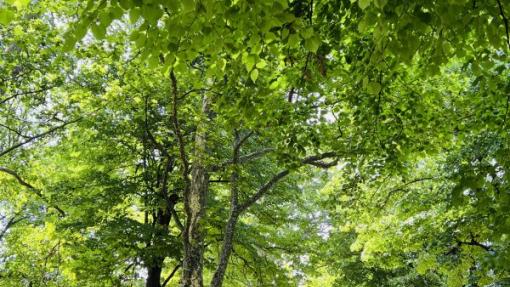
As part of the Grennat project, a comprehensive arboricultural study of Ajdovščina’s urban tree population was carried out. The survey included trees located along roads, on paved surfaces, in parks, and in other public spaces. In addition to the trees that had already been recorded, a further 262 mature trees were newly assessed, providing, for the first time, a more comprehensive overview of the condition of the municipality’s urban tree stock.
The results of the study showed that the condition of Ajdovščina’s urban trees is very good and that the trees have been appropriately maintained in the past. As many as 86.6% of all surveyed trees were found to be in good to excellent condition, while 76.8% demonstrated good to excellent vitality. Particularly encouraging is the finding that younger trees show strong growth and development potential, ensuring the long-term renewal of the urban tree population. Another important strength is the diversity of tree species, with 38 different species identified. This diversity contributes to the resilience of the urban ecosystem against diseases, pests, and climate change.
From a safety perspective, the situation is also favourable. A total of 92% of the surveyed trees pose a low risk to their surroundings, while only seven trees were classified as high-risk and therefore require priority measures to reduce potential hazards. The survey also identified ten monumental trees with trunk circumferences exceeding 350 cm. These trees represent an important part of the city’s natural and cultural heritage and possess exceptional landscape and historical value.
The study highlights that urban trees are not merely an aesthetic addition to public spaces but an essential component of urban infrastructure. Trees provide numerous ecosystem services that are becoming increasingly important in the context of climate change. They help reduce urban temperatures, mitigate the urban heat island effect, improve air quality, retain stormwater, reduce noise pollution, and provide habitats for many animal species. In addition to their environmental benefits, trees have a significant positive impact on residents’ quality of life by improving psychological well-being, reducing stress, and creating healthier and more pleasant living environments.
Despite the positive findings, the study also points to several challenges faced by trees in urban settings. Among the most significant are limited space for root development, soil compaction, water shortages during periods of drought, traffic-related impacts, air pollution, construction activities, and mechanical damage. For these reasons, planned and professional management of urban trees is essential for their long-term preservation.
Arboricultural Expert Opinion No. 18/2025-EV therefore provides an important professional basis for the future planning, maintenance, and development of Ajdovščina’s urban tree population. The proposed measures will enable more systematic monitoring of tree conditions, timely maintenance interventions, and the planning of new plantings. Particular emphasis is placed on preserving species diversity, ensuring tree safety, and adapting urban spaces to climate change.
The study concludes that investing in urban trees should be viewed as an investment in the future rather than a cost. Trees are an indispensable part of the urban ecosystem and cannot be replaced by other forms of infrastructure. Through coordinated cooperation between the municipality, professional services, contractors, and residents, Ajdovščina can continue to maintain a healthy, safe, and high-quality urban tree population while becoming a model of sustainable urban green-space management in Slovenia. In this way, urban trees will continue to shape the city’s distinctive character, enhance residents’ quality of life, and strengthen the resilience of the urban environment to future climate and development challenges.