ALL-MICRO
Policy objective: PO1 - A more competitive and smarter Europe by promoting innovative and smart economic transformation and regional ICT connectivity
Specific objective: SO1 - Developing and enhancing research and innovation capacities and the uptake of advanced technologies
Typology: Standard project
The ALL-MICRO project creates a cross-border network centred on high-level optical and electron microscopy topics between academic and research players and technology hubs.
Mission of the Project
ALL-MICRO (ALLiance to boost cross-border innovation through MICROscopy) is a collaborative initiative that builds a cross-border network of advanced microscopy facilities across the Italian-Slovenian macro-region. The project connects universities, research centres and technology hubs to provide high-end optical and electron microscopy services and expertise to a wide range of users, from academia to industry.
Its core mission is to bridge the gap between fundamental research and industrial application, making sophisticated microscopy techniques accessible beyond specialised laboratories. By doing so, ALL-MICRO aims to foster technological innovation, competitiveness, and sustainable development in the region.
The network supports both public and private stakeholders, including SMEs, large companies, research institutions, and healthcare organisations. Through shared infrastructure and expert guidance, users can access advanced instrumentation without the need for significant internal investment.
ALL-MICRO also promotes collaborative projects and proof-of-concept studies, enabling users to test innovative ideas and translate scientific knowledge into practical solutions. By combining expertise, infrastructure, and training, the project creates a dynamic ecosystem where science, technology, and industry can interact effectively.
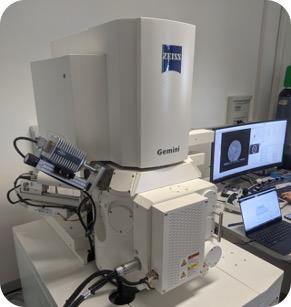
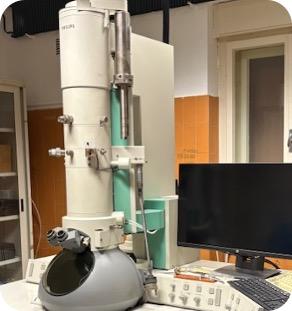
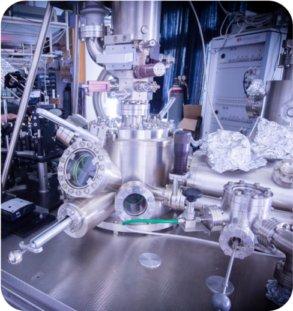
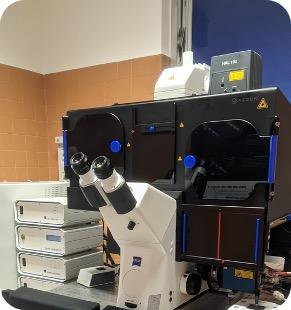
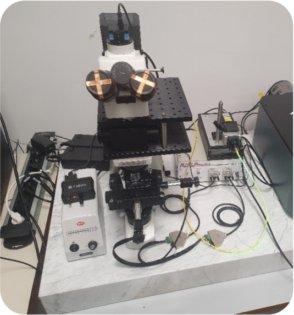
The available technologies cover a comprehensive range of techniques, including:
Image
| Image
| Image
|
Image
| Image
| |
These tools enable applications across multiple sectors, such as materials science, life sciences, nanotechnology, medicine, and industrial quality control, supporting both research and innovation-driven activities.
We provide an online portal that serves as a user interface, where all available microscopy techniques are listed and detailed guidance is provided on how to contact us to initiate a pilot study:
Activities
ALL-MICRO has developed an extensive programme of activities aimed at training, knowledge transfer, and stakeholder engagement.
Cross-training of Technical Personnel
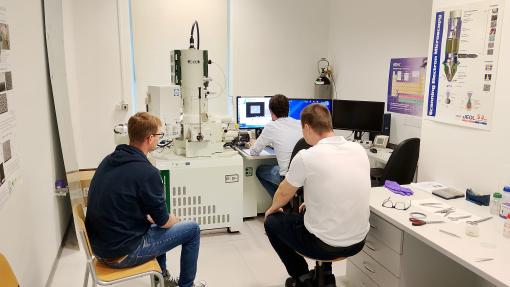
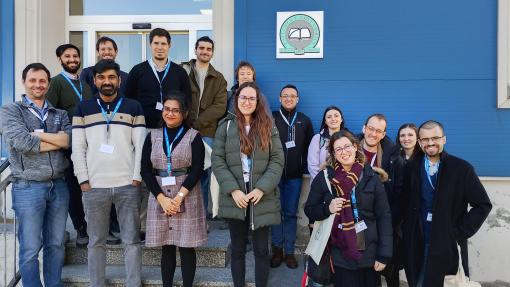
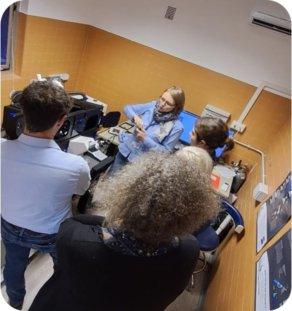
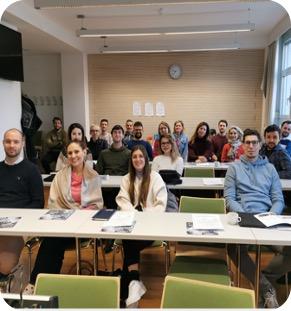
Within the ALL-MICRO project, a comprehensive cross-border cross-training programme was carried out in Italy and Slovenia, involving project partners and their technical personnel. The initiative was designed to ensure that all members of the network are fully informed about the available microscopy techniques, instruments, and expertise, thereby strengthening internal capacity and fostering a shared technical understanding across the partnership.
The training in Italy (26th-27th September 2024) took place at the CIMA laboratories (University of Trieste) and at the IOM – Institute of Materials. The first day introduced participants to a wide range of advanced microscopy techniques, including structured illumination microscopy, correlative light and electron microscopy, multiphoton microscopy, and scanning electron microscopy (SEM). Sample preparation methods for SEM and transmission electron microscopy (TEM) were also presented, along with an overview of the available systems and their specific requirements and applications. The second day, hosted at IOM, focused on hands-on demonstrations in smaller groups, covering high-resolution SEM imaging, elemental microanalysis (EDS), FIB-SEM technology for precise sample processing and 3D reconstruction, atomic force microscopy (AFM), and confocal microscopy for high-resolution 3D imaging of biological samples.
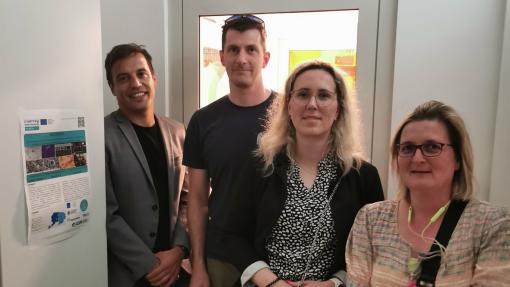
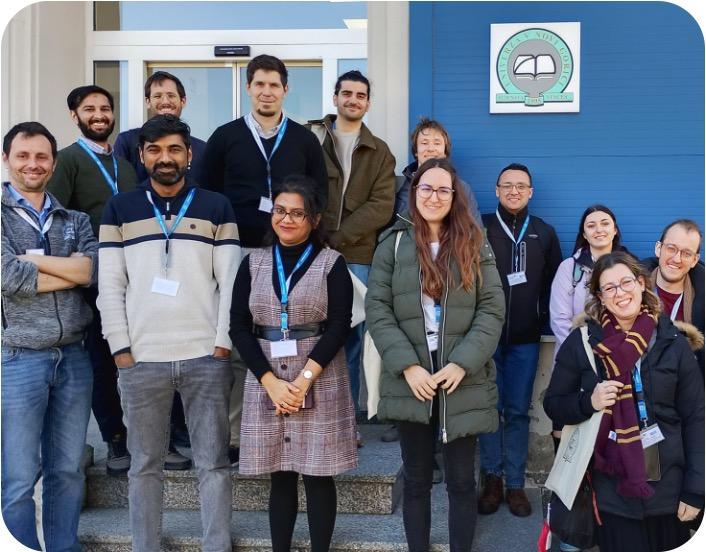
The training in Slovenia took place on 4–5 February 2025 at the University of Nova Gorica (Ajdovščina) and at the Nanocenter in Ljubljana. Activities were organised in small rotating groups and included practical sessions on sample preparation, SEM, TEM, AFM, and µ-Raman spectroscopy. The second day focused on advanced instrumentation such as FIB (Focused Ion Beam), 4-probe microscopy, and visits to the laboratories of the Jožef Stefan Institute and the University of Nova Gorica. Particular emphasis was placed on understanding the full range of techniques available within the network and on developing practical skills through direct interaction with the instruments.
Overall, the cross-training activities provided participants with in-depth exposure to state-of-the-art microscopy technologies, analytical methods, and sample preparation workflows available across the ALL-MICRO infrastructure. The initiative strengthened the internal coherence of the network, enhanced the technical competencies of the involved personnel, and facilitated knowledge exchange among partners. Participants expressed strong enthusiasm for the experience, and similar activities are planned to further reinforce collaboration and ensure effective use of the shared cross-border research infrastructure.
Image
| Image
|
Advanced Schools for Students and Researchers
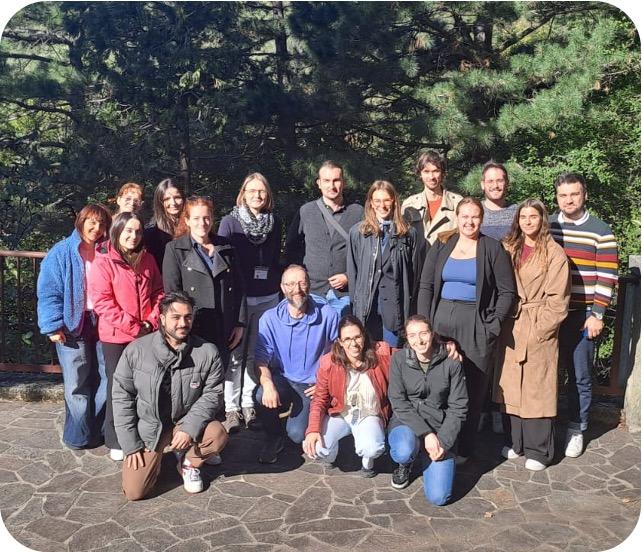
The Autumn School on Optical Microscopy and the Winter School on Electron Microscopy represent complementary training initiatives aimed at strengthening advanced microscopy skills among early-career researchers within the programme area. Both activities successfully combined theoretical instruction with intensive hands-on experience, fostering both technical competence and cross-border scientific collaboration.
The Autumn School, held at the University of Trieste in October 2025 and organised by UniTs in collaboration with CIMA and CNR-IOM, brought together PhD students and postdoctoral researchers from Italy, Slovenia, and Croatia. The programme covered a wide range of optical microscopy techniques, from fundamental principles to advanced applications such as super-resolution, confocal, and multiphoton imaging, as well as quantitative analysis. Lectures were complemented by participant presentations, poster sessions, and extensive networking activities, which encouraged scientific exchange and collaboration.
“What I appreciated the most at the Optical Microscopy School was the availability of all the personnel involved, both in explaining the theoretical concepts and in providing practical help. I can see that there is a true desire to share knowledge, foster new connections among early-career researchers and strengthen the network as well.”
Silene Fornasaro, PhD Student, SISSA, Trieste
Similarly, the Winter School on Electron Microscopy offers foundational training in SEM, TEM, and related techniques such as EDX and FIB, with a strong emphasis on imaging, diffraction, chemical microanalysis, and sample preparation. Organised in small groups and hosted between the University of Nova Gorica and the Nanocenter in Ljubljana, the course provides intensive hands-on experience through rotating laboratory sessions. Its interactive format promotes discussion, knowledge sharing, and the development of professional networks among young researchers and expert trainers.
Both schools prioritise practical training through small-group laboratory work, ensuring direct engagement with advanced instrumentation and methodologies. In addition to technical learning, they place strong emphasis on networking opportunities, fostering connections between researchers from different institutions and countries.
Overall, these initiatives significantly contribute to capacity building in advanced microscopy, supporting the development of a collaborative, well-trained community of young scientists in the Italy-Slovenia region. Participant feedback highlights the high quality of training, the value of hands-on sessions, and the importance of networking opportunities, with strong interest expressed in future editions of both schools.
Image
| Image
|
Industry-Oriented Events
Within the ALL-MICRO project two cross-border public events were organised under activity D.2.2 to promote the project and strengthen collaboration between research and industry.
The first event was held on 29 May 2025 in Nova Gorica (Slovenia) and organised by Primorska Technology Park. Conducted in Slovene, it introduced the ALL-MICRO project, its network, and collaboration opportunities with research centres equipped with advanced microscopy infrastructure. The event focused on bringing scientific content closer to businesses, highlighting how companies can improve products and competitiveness through research collaboration. It also showcased good practices from previous Interreg projects and addressed strategic topics such as the development of deep-tech start-ups. Key insights highlighted that demand for advanced microscopy services is often niche, and that stronger research–business collaboration requires better alignment with market needs, including targeted market analysis and a shift towards research-driven innovation ecosystems. The event gathered 43 participants, mainly entrepreneurs and innovation stakeholders, and included networking activities to foster further collaboration.
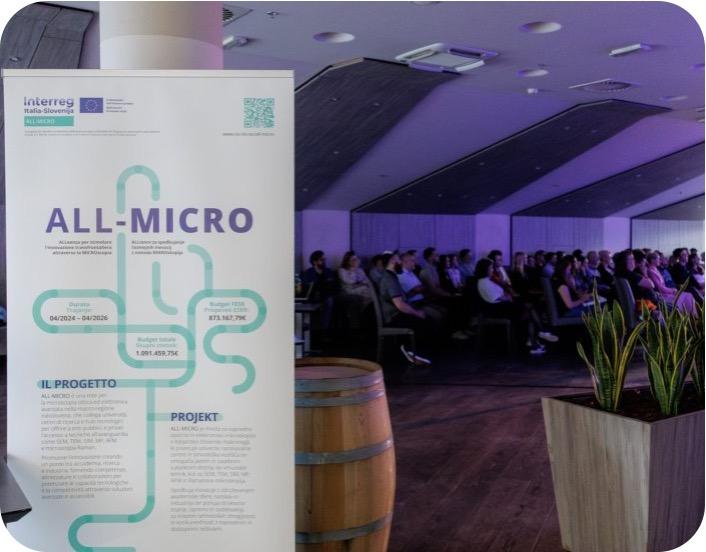
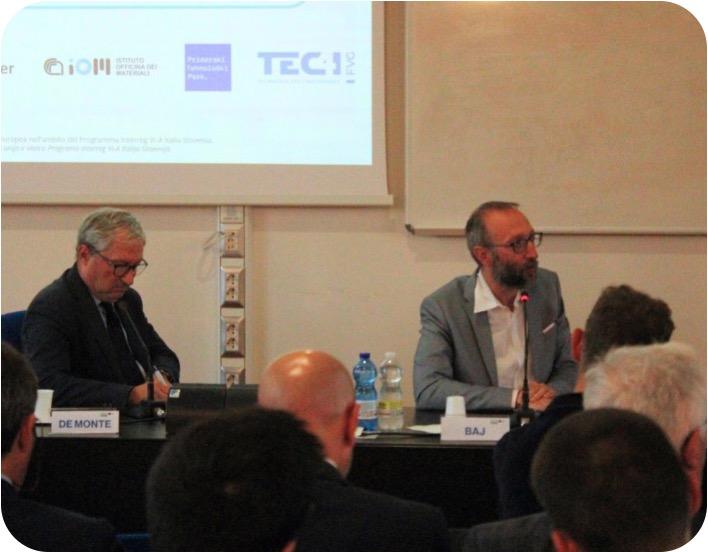
The second event took place on 24 September 2025 in Udine (Italy) and was organised by TEC4I FVG. Titled “Microscopy as an opportunity for technological innovation”, it built on the first event by further promoting ALL-MICRO and facilitating dialogue between companies, research centres, and institutions. The event emphasised microscopy as a strategic tool for innovation and as a common language between science and industry. It featured two thematic roundtables: one on cybersecurity, addressing digital risks and solutions, and one on technology transfer, discussing barriers and opportunities for effective collaboration. A practical case study (ATANOR and University of Trieste) demonstrated how partnerships within ALL-MICRO can lead to concrete improvements in materials and processes through advanced microscopy. With over 100 participants, the event reinforced the role of the cross-border network as a shared innovation infrastructure and underlined the importance of continuous collaboration to generate lasting regional impact.
Image
| Image
|
Overall, the two events successfully strengthened cross-border cooperation, increased awareness of ALL-MICRO opportunities, and contributed to building a bridge between research and business. They highlighted the need for a more demand-driven approach to research services while also supporting emerging EU strategies on deep-tech innovation and research-based entrepreneurship.
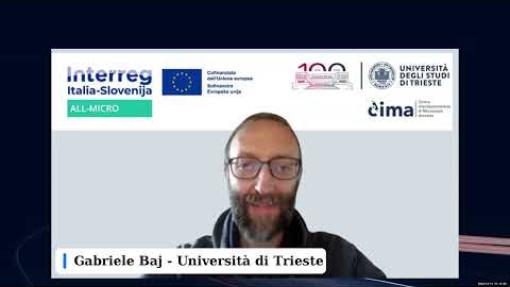
Furthermore, Tec4I-FVG organised a dedicated webinar aimed at engaging contacts from industry within the framework of the ALL-MICRO project. During the event, Prof. Gabriele Baj, representing the lead partner University of Trieste (UniTs), introduced the ALL-MICRO network, outlining its objectives and highlighting the opportunities it offers to support innovation in the industrial sector through advanced microscopy and cross-border collaboration.
Open Day for companies, industries, hospitals and medical centres
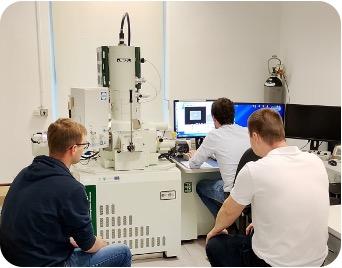
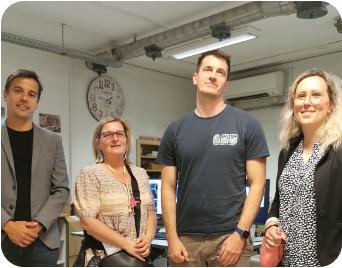
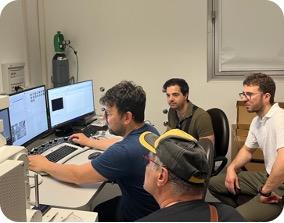
The events described above were organised as dissemination activities within the Interreg ALL‑MICRO project, aiming to raise awareness of the project’s capabilities and strengthen engagement with external stakeholders. While the previously mentioned events focused on presenting the project and its objectives, the Open Days provided a more direct and practical experience, allowing participants to visit the facilities in person and observe the available technologies firsthand.
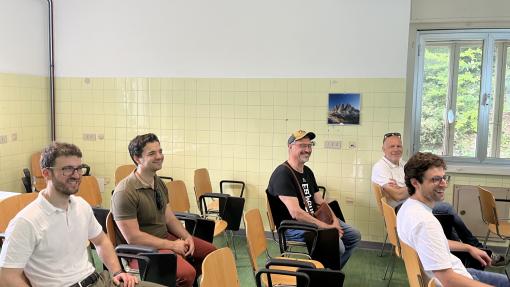
These Open Days, held at the University of Nova Gorica, Nanocenter, and the University of Trieste in May 2026, offered companies, industries, hospitals, and medical centres the opportunity to explore advanced research infrastructures and cutting‑edge microscopy techniques. Participants could access specialised laboratories, interact directly with experts, and in several cases attend hands‑on demonstrations or test their own samples using different microscopy platforms.
Image
| Image
| Image
|
A key feature of the Open Days was the possibility to experience the instrumentation through guided visits and live demonstrations, including SEM, TEM, AFM, Raman microscopy and other advanced techniques, depending on the hosting institution. In contrast to standard dissemination formats, this direct exposure enabled participants to better understand the practical applications of these technologies and evaluate their potential use for their own research or industrial needs.
Overall, the Open Days successfully complemented the project’s dissemination efforts by creating a hands‑on environment that fostered interaction, knowledge exchange, and the development of new collaborations between research infrastructures and industry stakeholders.
Pilot projects
A core activity of the ALL-MICRO network was the implementation of pilot projects, which provided external users with the opportunity to test the advanced microscopy equipment and expertise available across the four partner facilities. Through these pilot studies, companies, research institutions, and biomedical organisations gained access to state-of-the-art techniques including SEM, FIB-SEM, TEM/STEM, AFM, confocal microscopy, and super-resolution imaging. The initiative served as a practical demonstration of the network’s capabilities while enabling users to address specific scientific and technological challenges through tailored microscopy services. In total, 23 pilot projects were completed, covering applications in materials science, industrial production, environmental research, electronics, and biomedicine.
The pilot programme also demonstrated the strong connection between ALL-MICRO’s service provision, outreach activities, and training initiatives. Two pilot projects were initiated by users who first learned about the network during Open Day events organised by the University of Trieste, highlighting the effectiveness of these activities in attracting new users. A further collaboration originated from the Optical Microscopy School organised by the University of Trieste, where a participating student subsequently requested access to the network’s facilities. Several of the most advanced pilot studies benefited from the integration of expertise and instrumentation across multiple facilities. Notable examples include biomedical projects carried out for IRCCS Burlo and Centro Cardiologico Monzino, where complementary techniques available at the University of Trieste and CNR-IOM were combined to provide a more comprehensive characterisation of biological samples. These activities illustrate how ALL-MICRO successfully connected training, outreach, and transnational research infrastructures to create new scientific opportunities and establish long-term collaborations.
The table below provides an overview of all pilot projects carried out during the lifetime of the ALL-MICRO project.:
Organisation | Target group | Client | Microscopy techniques | Facility | Personnel |
RCF srl | SME | Massimo Bergamin | SEM (FEI Quanta 250) | CIMA UniTS | Susanna Bosi; Davide Porrelli |
Recornea SRL | SME | Emiliano Lepore | SEM (Zeiss Gemini300) | CIMA UniTS | Davide Porrelli |
CERIC-ERIC | Higher education and research organisations | Eleonora Afanasenko | FIB-SEM | CNR-IOM; Nanocenter | Behnaz Abbasgholi-NA; Gregor Kapun |
CRO Aviano | Hospitals and medical centres | Valentina Rossi | SIM microscopy | UniTS | Agnes Thalhammer |
Area Science Park | Higher education and research organisations | Michela Sgubin | Confocal microscopy | UniTS | Agnes Thalhammer |
RLS d.o.o. | SME | Matija Podhraški | FIB + SEM/EDS | Nanocenter | Gregor Kapun |
IRCCS Burlo | Hospitals and medical centres | Eva Andreuzzi | AFM + SEM + STEM | UniTS; CNR-IOM | Roberta Bortul; Laura Andolfi; Behnaz Abbasgholi-NA |
Kolektor KFH | Enterprise except SME | Karla Kosmač | SEM + TEM/STEM | UNG | Blaž Belec |
ISMAR CNR | Higher education and research organisations | Lorenzo Consorti | SEM (Zeiss Gemini300) | CIMA UniTS | Davide Porrelli |
Elettra Sincrotrone Trieste | Higher education and research organisations | Francesco D'Amico | SEM imaging | CNR-IOM | Behnaz Abbasgholi-NA |
Elaphe d.o.o. | SME | Janko Kobal | SEM + EDX + Plasma FIB | UNG; Nanocenter | Mattia Fanetti |
Sartorius BIA | Enterprise except SME | Ines Bergoč | SEM + EDX | UNG | Mattia Fanetti |
Dr. Schaer | Enterprise except SME | Daniele D’Introno | SEM (Zeiss Gemini300) | CIMA UniTS | Susanna Bosi; Davide Porrelli |
Zobec | SME | Edi Zobec | SEM (Zeiss Gemini300) | CIMA UniTS | Davide Porrelli |
Atanor Srl | SME | Omar Toso | SEM (Zeiss Gemini300) | CIMA UniTS | Davide Porrelli |
Elettra Sincrotrone Trieste | Higher education and research organisations | Frncesco D’Amico | SEM | CNR-IOM | Behnaz Abbasgholi-NA |
Esse Subacqua | SME | Sara Kaleb | SEM (Zeiss Gemini300) | CIMA UniTS | Davide Porrelli |
Bo.Ma. | SME | Romeo Roppa | SEM (Zeiss Gemini300) | CIMA UniTS | Davide Porrelli |
University of Ljubljana | Higher education and research organisations | Mitjan Kalin | FIB-SEM, TEM | Nanocenter | Bojan Ambrožič |
Rubbermac | SME | Alessandro Piccotto | SEM (Zeiss Gemini300) | CIMA UniTS | Davide Porrelli |
Centro Cardiologico Monzino | Hospitals and medical centres | Daniela Lorizio | SEM + STEM | UniTS; CNR-IOM | Behnaz Abbasgholi-NA; Roberta Bortul |
IRCCS Burlo | Hospitals and medical centres | Eva Andreuzzi | Sample preparation for SBF-volume SEM at EMBL (Heidelberg, Germany) | UniTS; CNR-IOM | Behnaz Abbasgholi-NA; Roberta Bortul |
Calcit d.o.o. | SME | Gašper Kokot | FIB-SEM | Nanocenter | Gregor Kapun |
Participation in External Events
ALL-MICRO actively contributes to the broader scientific and innovation ecosystem by participating in international conferences and outreach events:
17th Multinational Congress on Microscopy (Portorož, Slovenia):
The 17th Multinational Congress on Microscopy (17MCM), held from 8 to 12 September in Portorož, Slovenia, brought together hundreds of participants from across Europe, confirming its role as a major event in the microscopy community. The ALL-MICRO project actively contributed with scientific presentations, posters and networking activities, including the special session IMPRESS: “Shaping the Future of Interoperable TEM”, which focused on interoperability and future developments in transmission electron microscopy. The congress provided an excellent platform for fostering new collaborations and exchanging knowledge among researchers, industry representatives, and stakeholders.
Trieste Next 2025 science festival:
The ALL-MICRO presentation “An alliance for advanced microscopy”, held on 27 September in Trieste as part of the “Focus: Life Sciences” section of Trieste Next, brought together researchers and project partners from various institutions, including the University of Nova Gorica, CNR-IOM and TEC4I FVG. Moderated by Gabriele Baj (University of Trieste), project coordinator and head of CIMA, the event highlighted the increasingly central role of advanced microscopy in driving innovation in both industry and healthcare, as well as the challenges related to access to highly specialised instruments and expertise. In this context, ALL-MICRO was presented as a cross-border Interreg Italy–Slovenia initiative aimed at improving access to advanced technologies, strengthening collaboration between research and industry, and enhancing regional competitiveness.
National Conference on Science Communication (SISSA, Trieste):
TEC4I FVG participated in the XIV National Conference on Science Communication, held from 2 to 5 December 2025 at SISSA in Trieste, with a presentation titled “Communication ecosystems for technology transfer and territorial innovation.” During the session, Elena Sandri, together with colleagues Valeria Cappelli and Isabella Susa, presented the Interreg Italy–Slovenia ALL-MICRO project, highlighting its role in fostering collaboration between research, industry and institutions to support innovation in microelectronics and advanced materials. The event provided an opportunity to share practical experiences and reflect on the importance of communication as a driver of regional innovation and social impact.
Samu Expo 2026:
Dissemination activities included TEC4I-FVG’s participation in the Samu Expo in Pordenone, held from 5 to 7 February 2026. The event represented an important opportunity to promote the ALL-MICRO project in the metalworking and plastics sectors. Dedicated promotional materials were used, and a 30-minute session was held during which the project and its objectives were presented.
Interreg Central Europe conference “From Results to Impact: Cooperation Takes Synergies Forward” (Vienna, May 2025)
Agnes Thalhammer participated in the Interreg Central Europe conference “From Results to Impact: Cooperation Takes Synergies Forward” (Vienna, May 2025), where she presented a poster on the ALL‑MICRO project. The poster highlighted the project’s role in building a cross-border network of microscopy facilities to support innovation, knowledge transfer, and collaboration with SMEs.
6th Slovenian Microscopy Society Symposium (Rogla, 13-15 May 2026)
The ALL-MICRO project was actively represented with two scientific contributions. These included a poster presented by Blaž (p. 61 of the Book of Abstracts) and an invited lecture by Mattia Fanetti (pp. 13–14), highlighting the project’s research activities and strengthening its visibility within the microscopy community.
Through these activities, the project enhances visibility, networking opportunities, and knowledge dissemination across scientific, industrial, and public audiences.
Impact and Future Perspecitives
ALL-MICRO has demonstrated the value of cross-border cooperation in making advanced microscopy more accessible to researchers, companies, healthcare institutions and innovation stakeholders across the Italy-Slovenia programme area. By connecting complementary infrastructures, expertise and services, the project has created a shared network that facilitates access to cutting-edge technologies while promoting collaboration between academia and industry.
A key achievement of the project has been the creation of a common platform where users can identify the most appropriate microscopy techniques and access specialised support through a coordinated network of facilities. Through pilot projects, training activities, industry events and Open Days, ALL-MICRO has increased awareness of the potential of advanced microscopy for research, innovation, quality control and product development.
The project has also generated lasting benefits in terms of capacity building and knowledge transfer. Cross-training activities strengthened technical expertise within the partner institutions, while the microscopy schools helped train a new generation of researchers in advanced imaging and analytical techniques. At the same time, interactions with companies, hospitals and research organisations fostered new collaborations and highlighted the importance of advanced characterisation technologies in addressing real-world challenges.
Looking beyond the project's lifetime, the partners are committed to maintaining and further developing the network established through ALL-MICRO. The relationships, expertise and communication channels built during the project provide a solid basis for future cooperation, joint training initiatives, collaborative research activities and continued support to external users. By strengthening regional excellence and encouraging innovation-driven collaboration, ALL-MICRO has laid the foundations for a sustainable microscopy ecosystem that will continue to support scientific advancement and technological innovation in the years to come.